Sep 21, 2026Buying Guides
How to Choose a Hot-Patina Bronze Sculpture | Buyer's Guide
Learn how to choose a hot-patina bronze sculpture, from bronze quality and patina finish to durability, craftsmanship, customization, and care.
A hot-patina bronze sculpture is more than a bronze casting with a particular color. The final appearance depends on the bronze alloy, casting quality, surface preparation, patination process, finishing technique, and protective coating.
For collectors, designers, galleries, architects, and project buyers, understanding these factors makes it easier to evaluate the quality of a bronze sculpture before purchasing or commissioning one.
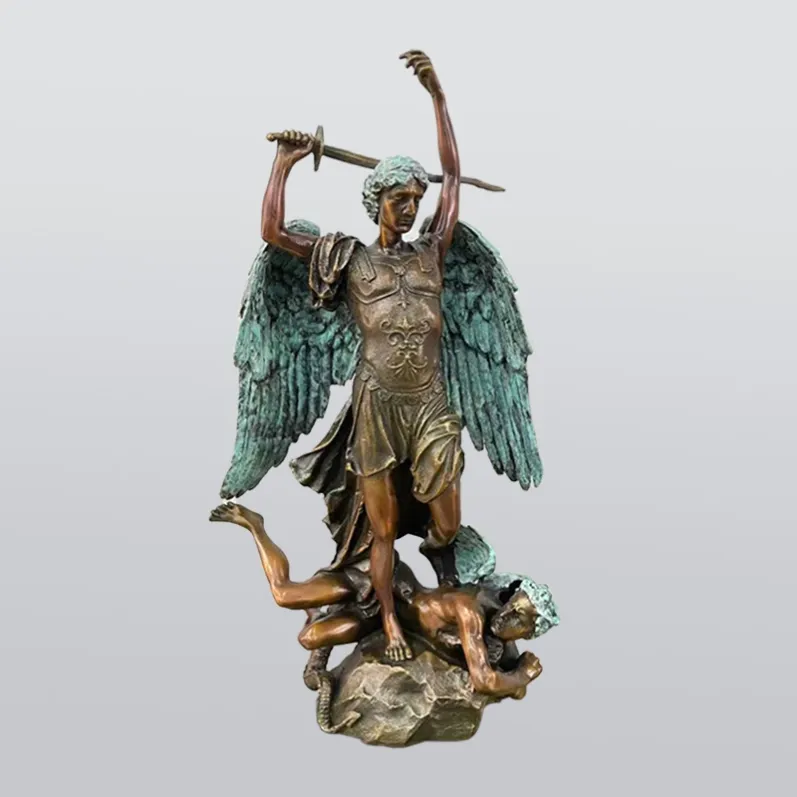
This guide explains what hot patina is, how it is applied, how it compares with other bronze finishes, and what to look for when choosing a custom or finished bronze sculpture. Our verdigris Tang horse bronze sculpture is one piece to evaluate against these criteria.
What Is a Hot-Patina Bronze Sculpture?
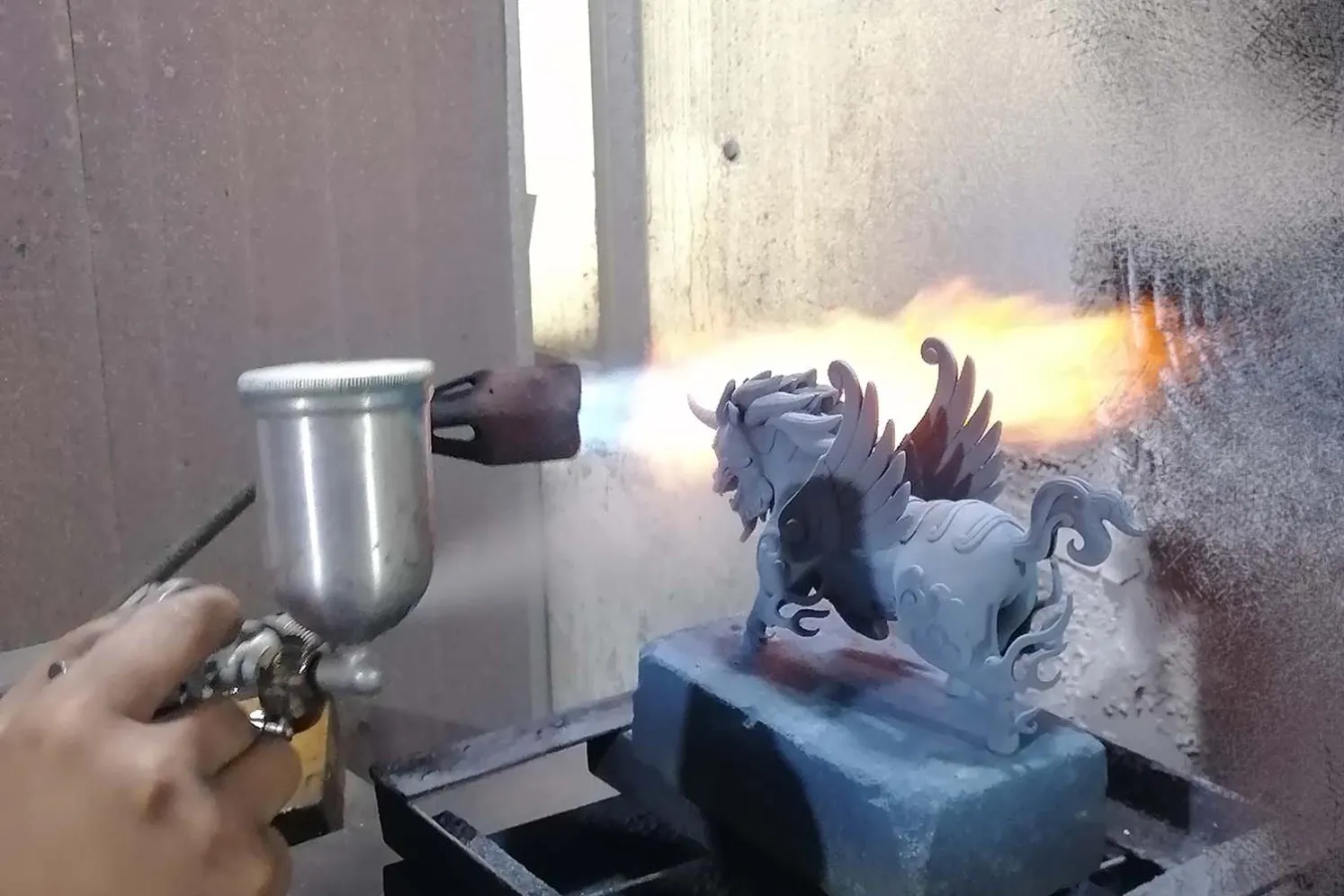
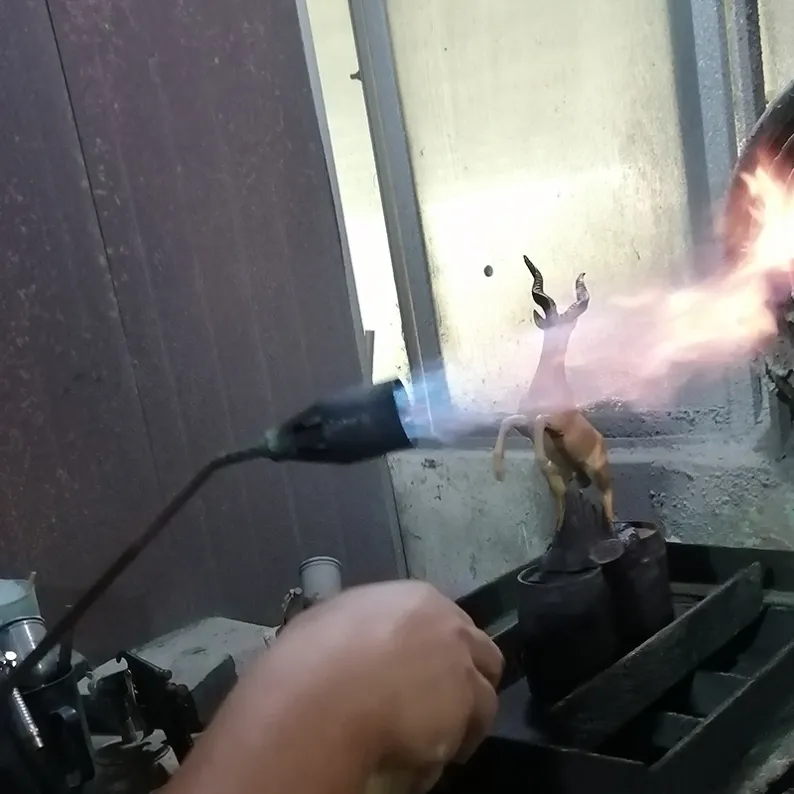
Hot patina is a surface-finishing technique used to create color and visual depth on bronze. During the process, the bronze surface is heated while carefully selected patina chemicals are applied.
The heat accelerates the chemical reaction between the patina solution and the bronze surface. By controlling temperature, solution concentration, application technique, and the number of layers, artisans can develop a wide range of colors and surface effects.
Depending on the process, a hot patina can produce finishes ranging from warm brown and reddish tones to dark black, green, blue, and other customized effects.
Unlike a simple painted finish, a properly applied patina becomes part of the bronze surface through a controlled chemical reaction. The result can reveal subtle variations, highlights, shadows, and tonal depth that enhance the sculptural form.
For this reason, hot patination is widely used for fine-art bronze sculpture, architectural sculpture, garden sculpture, memorials, and custom bronze artwork.
How Is Hot Patina Applied to Bronze?
A high-quality hot-patina finish starts long before the patina chemicals are applied.
At a professional bronze foundry, the typical process may include:
1. Bronze casting
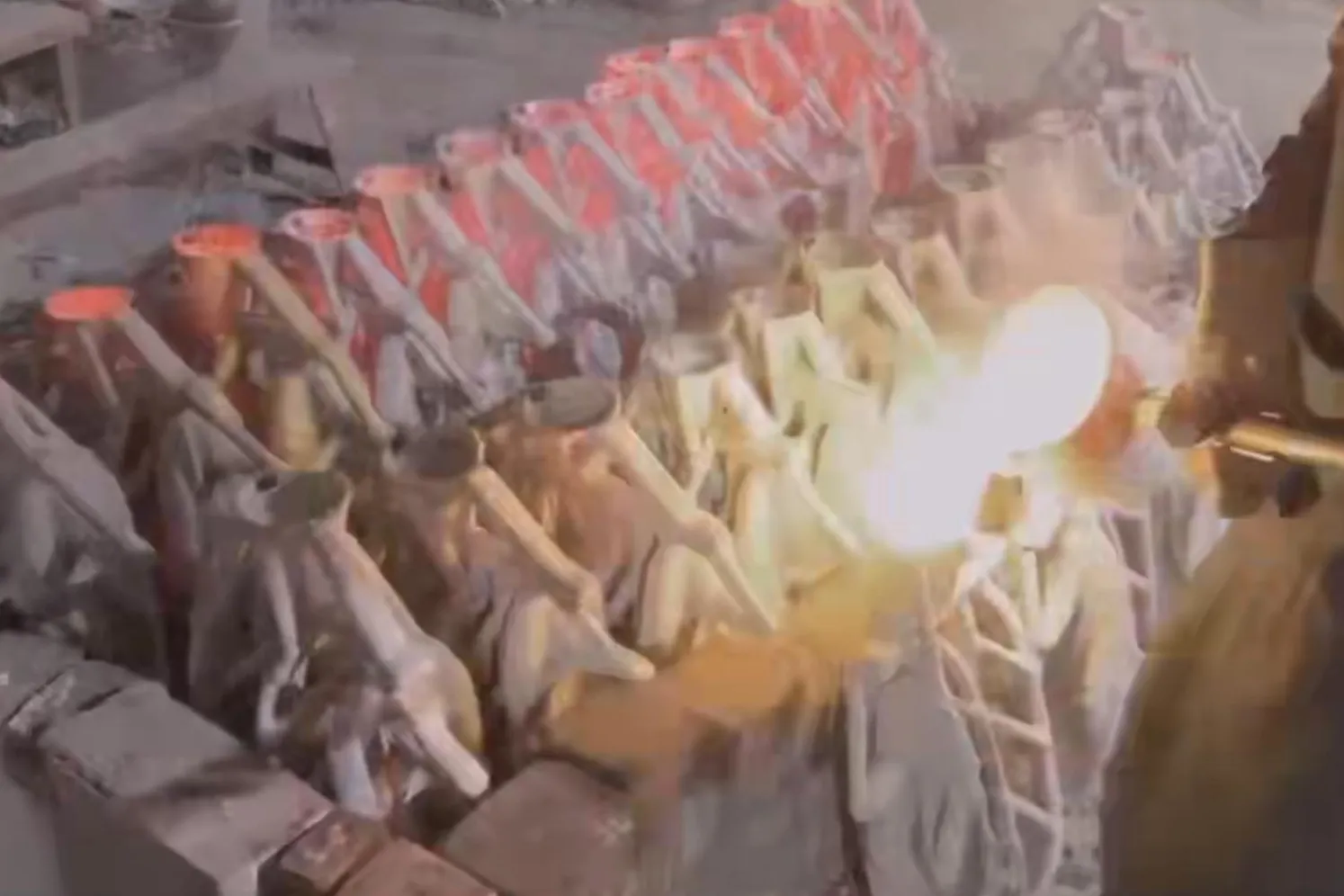
The sculpture is first produced using a suitable casting method, often lost-wax casting for detailed artwork.
The quality of the casting matters because surface defects, incomplete details, or inconsistent metal surfaces can affect the final appearance of the patina.
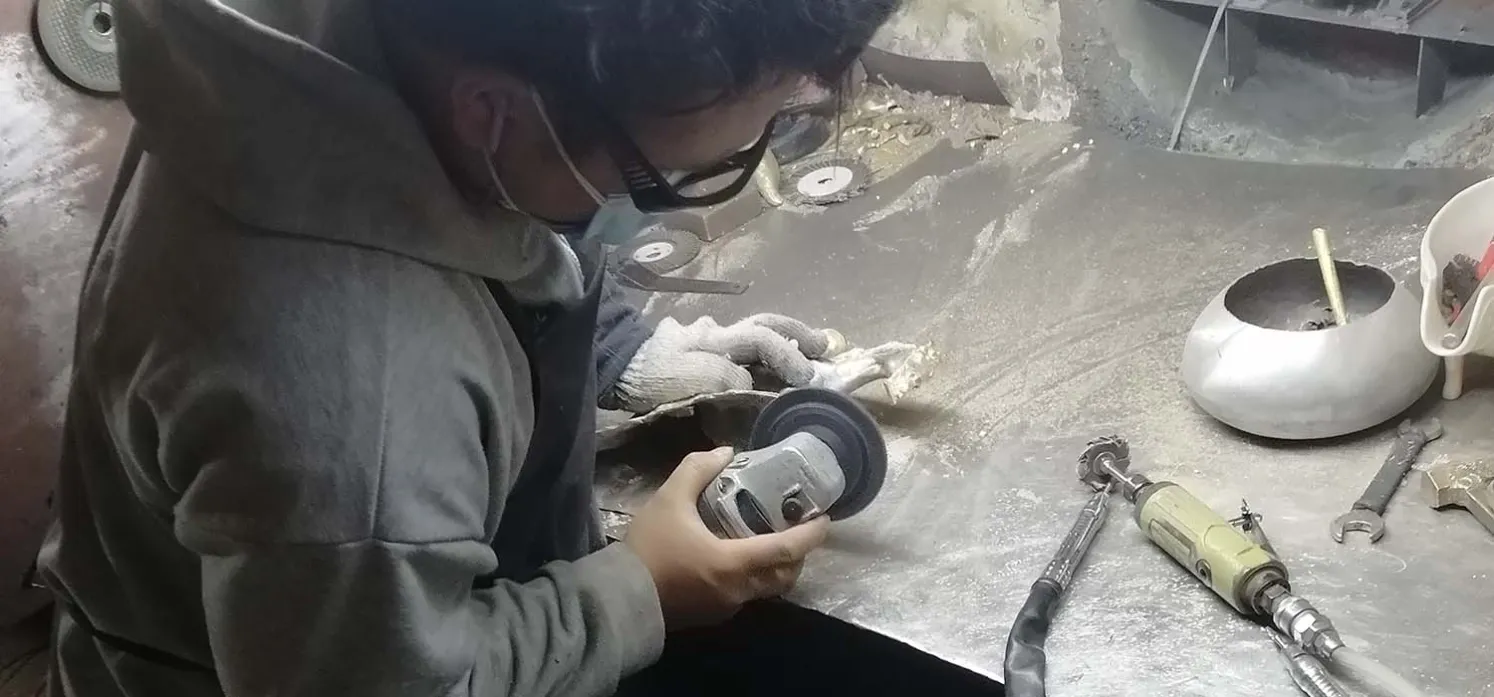
2. Chasing and surface preparation
After casting, artisans remove casting imperfections, refine details, and carefully prepare the bronze surface.
This stage is critical. The same patina formula can look significantly different depending on how the bronze has been polished, textured, or prepared.
3. Heating the bronze
The bronze surface is heated to a controlled temperature.
Experienced artisans monitor the temperature and the reaction of the metal rather than simply applying heat uniformly. Different areas of a sculpture may require different treatment depending on their shape and desired visual effect.
4. Applying the patina
Patina solutions are applied to the heated surface in controlled layers.
The artisan may use brushes, spray equipment, sponges, or other techniques depending on the desired result.
Multiple applications can create greater depth and variation.
5. Highlighting and finishing
Once the desired color is achieved, selected areas may be polished or highlighted to bring out sculptural details.
This is particularly important on figurative sculpture, animal sculpture, reliefs, and highly detailed decorative pieces.
6. Sealing the surface
A protective coating may then be applied to help protect the patinated surface from handling, moisture, and environmental exposure.
The appropriate protection depends on whether the sculpture will be displayed indoors or outdoors.
What Makes a High-Quality Bronze Patina?
Color alone does not determine whether a bronze patina is high quality.
When evaluating a hot-patina bronze sculpture, look for several characteristics.
Depth and variation
A well-developed patina can contain multiple tonal layers rather than appearing as a completely flat color.
Subtle differences between recessed and raised areas can help emphasize the form of the sculpture.
Clean surface preparation
The bronze surface should be properly prepared before patination.
Visible grinding marks, casting defects, or poorly finished seams can remain noticeable beneath the patina.
Detail retention
The patina should enhance the sculpture without hiding important details.
Fine facial features, hair, clothing, animal anatomy, textures, and other sculptural elements should remain clearly defined.
Consistent craftsmanship
For a single sculpture, variation can add character.
For a project involving multiple sculptures, however, color consistency becomes much more important. A professional manufacturer should be able to establish a reference finish and reproduce it across a production series.
Hot Patina vs. Cold Patina vs. Painted Bronze
Different finishing methods can produce very different visual results.
Finish | Typical Appearance | Surface Character | Customization | Common Applications |
|---|---|---|---|---|
Hot Patina | Layered and naturally varied | Rich surface depth | High | Fine art, outdoor sculpture, architectural projects |
Cold Patina | Often more controlled and uniform | Depends on preparation and chemicals | High | Decorative and artistic applications |
Painted Finish | More uniform and opaque | Coating-based appearance | Very high | Decorative, themed, and project-specific work |
There is no single finish that is best for every sculpture.
The right choice depends on the design, location, desired appearance, maintenance requirements, and project budget.
For buyers who want the visual character of traditionally patinated bronze, hot patina offers particularly strong possibilities for creating depth and variation.
Does Hot Patina Work for Outdoor Bronze Sculptures?
Yes, hot patina can be used for outdoor bronze sculpture, but the patina itself is only one part of outdoor durability.
Outdoor performance also depends on:
- Bronze alloy and casting quality
- Surface preparation
- Patina chemistry
- Protective coating
- Local climate
- Exposure to rain, humidity, pollution, and salt
- Long-term maintenance
For large outdoor projects, the manufacturer should understand the installation environment before selecting the final finish.
A sculpture installed in a dry inland environment may have different finishing requirements from one installed near the coast or in a humid climate.
The protective system and maintenance recommendations should therefore be considered together with the patina itself.
Can the Color of a Hot Patina Be Customized?
One of the major advantages of bronze patination is the range of possible finishes.
Depending on the bronze alloy, surface preparation, patina chemistry, and application process, manufacturers can develop different visual effects, including:
- Warm brown
- Dark brown
- Reddish brown
- Black
- Green
- Blue-green
- Antique bronze
- Layered multi-tone finishes
For custom projects, it is better to provide a physical sample, reference sculpture, or high-quality photographs rather than relying only on a color name.
Terms such as "antique bronze" or "dark bronze" can describe many different finishes.
A professional manufacturer can evaluate the reference and develop a suitable patina sample before full production.
How Do You Choose the Right Patina for a Sculpture?
The best patina should support the sculpture's form and the environment where it will be displayed.
Consider the sculpture's design
Highly detailed sculptures often benefit from tonal variation that emphasizes recessed areas and highlights raised surfaces.
Minimalist or contemporary sculptures may work better with a more controlled, uniform finish.
Consider the surrounding environment
Architecture, landscaping, stone, wood, concrete, glass, and surrounding vegetation can all affect how the bronze color appears.
A finish that works well in a gallery may not produce the same visual effect in a large outdoor landscape.
Consider viewing distance
Large public sculptures are often viewed from a considerable distance.
Strong tonal contrast can make important forms easier to read, while subtle finishes may be more suitable for smaller works viewed up close.
Request a finish sample
For important projects, approving a patina sample before production is highly recommended.
A physical sample allows the client to evaluate the actual bronze color, surface texture, highlights, and overall visual effect under realistic lighting.
What Should Buyers Check Before Ordering a Bronze Sculpture?
Before purchasing or commissioning a hot-patina bronze sculpture, ask the manufacturer about more than the final color.
Important questions include:
What bronze casting method is used?
For detailed sculpture, lost-wax casting is widely used because it can reproduce complex forms and fine surface details.
How is the surface prepared?
The quality of chasing, grinding, polishing, and texturing directly affects the final patina.
Can the patina be customized?
If your project requires a specific color, ask whether the manufacturer can create and approve a sample finish before production.
Can multiple sculptures match?
For hotel projects, public art installations, landscaping projects, and commercial developments, consistent finishing across multiple pieces is important.
Is the sculpture suitable for outdoor installation?
The manufacturer should understand the intended environment and recommend an appropriate protective finish and maintenance approach.
Can the manufacturer provide production photos?
Workshop and production photographs can help buyers evaluate the actual manufacturing process rather than relying only on finished product images.
Custom Hot-Patina Bronze Sculptures for B2B Projects
For architects, landscape designers, developers, galleries, art consultants, and other professional buyers, hot patina can be incorporated into a fully customized bronze sculpture project.
Customization may include:
- Original sculpture development
- Custom dimensions
- Custom bronze finishes
- Patina color matching
- Reproduction from approved designs
- Multiple-piece production
- Logos or design elements
- Indoor or outdoor specifications
A clear project brief should normally include the sculpture dimensions, reference images, intended location, quantity, preferred finish, and installation requirements.
This information allows the manufacturer to recommend an appropriate casting and finishing process before production begins.
How to Maintain a Hot-Patina Bronze Sculpture
Bronze is a durable material, but its surface finish still benefits from proper care.
For indoor sculpture, regular dust removal with a soft, dry cloth is generally sufficient.
For outdoor sculpture, maintenance requirements depend on the climate and protective coating. Periodic inspection can help identify changes in the protective surface, accumulated dirt, water deposits, or other environmental effects.
Avoid aggressive cleaning products or abrasive materials unless specifically recommended by the manufacturer, as they may alter the patina.
For valuable or large outdoor sculptures, a maintenance schedule should be established as part of the original project.
Why Hot Patina Is Popular for Custom Bronze Sculpture
The appeal of hot patination comes from its ability to combine material character with artistic control.
Every bronze sculpture has a slightly different surface, and the patination process can emphasize those characteristics rather than covering them with an opaque layer of paint.
For collectors, this can add visual depth.
For designers and architects, it provides a broad range of finishes that can be coordinated with a project.
For manufacturers and B2B buyers, customized patination also allows a sculpture series to be developed around a consistent visual language.
The final result depends on both the chemistry and the artisan's control of the process.
Frequently Asked Questions
What is hot patina on bronze?
Hot patina is a bronze finishing technique in which the metal is heated while patina chemicals are applied to create a controlled surface color and texture.
Is hot patina better than cold patina?
Neither method is universally better. The appropriate technique depends on the desired appearance, sculpture design, environment, and finishing requirements.
Does hot patina fade outdoors?
Bronze patina can change naturally over time when exposed to weather and environmental conditions. The rate and appearance of change depend on the environment, patina system, protective coating, and maintenance.
Can hot patina be customized?
Yes. Bronze patina can be developed in different colors and tonal effects. For custom projects, a sample should ideally be approved before full production.
Can hot patina be used on large outdoor sculptures?
Yes. Hot patination is commonly suitable for large bronze sculptures, provided that the casting, surface preparation, protective finish, and installation requirements are properly considered.
How long does a bronze sculpture last outdoors?
Bronze is highly durable and has been used for outdoor sculpture for centuries. However, long-term performance depends on the alloy, construction, environment, protective finish, installation, and maintenance.
Can a manufacturer match an existing bronze patina?
In many cases, a manufacturer can develop a finish based on a physical sample, reference sculpture, or detailed photographs. Because bronze patination is influenced by multiple variables, sample approval is recommended for important projects.
Final Thoughts
Choosing a hot-patina bronze sculpture is about more than selecting a color.
The quality of the casting, surface preparation, patination process, protective finish, and manufacturing experience all contribute to the final result.
Whether you are purchasing a single sculpture, developing a custom artwork, or sourcing bronze sculptures for a commercial project, asking the right questions before production can help ensure that the finished piece meets both aesthetic and practical requirements.
At Patinara Art, we combine traditional bronze casting techniques with controlled patination and finishing processes to produce custom bronze sculptures for collectors, designers, galleries, and commercial projects.
For a custom bronze sculpture or project-specific patina, provide your design, dimensions, reference images, and preferred finish so the production team can evaluate the requirements and develop the appropriate solution.