Buying Guides
Custom Bronze Camel Statues for Middle Eastern Projects
Sourcing bronze camel sculptures for Gulf hotels, developments, or corporate gifting? What Middle Eastern buyers look for — anatomy, patina, packaging, and shipping.
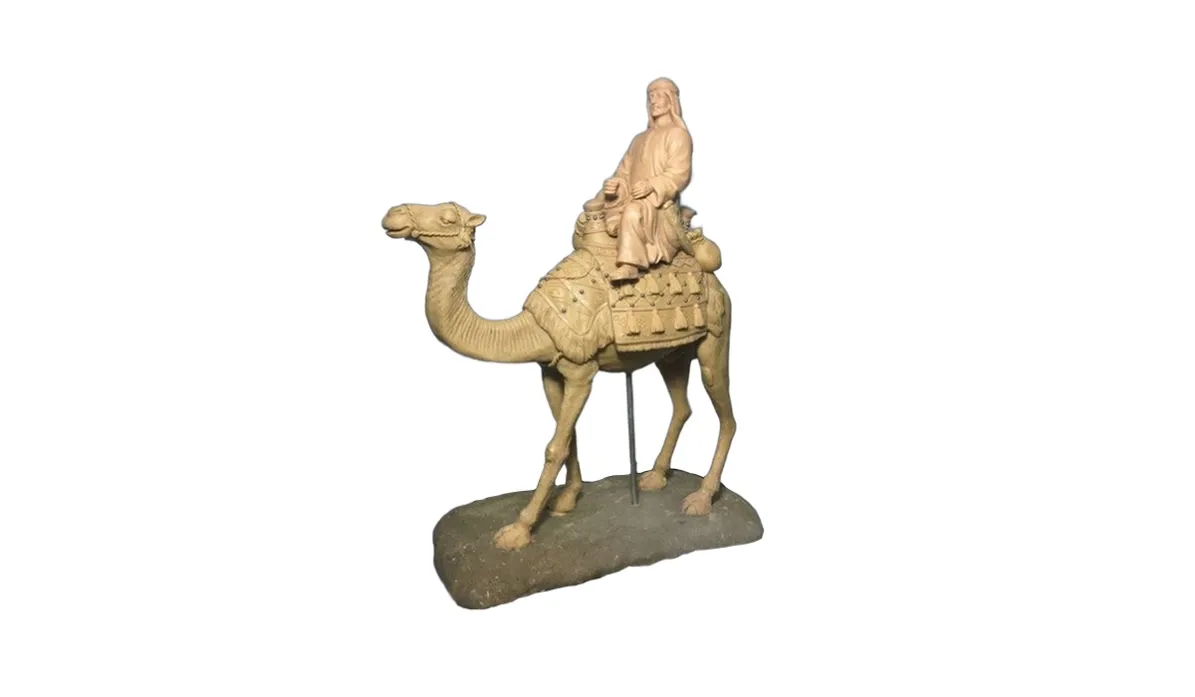
Custom Bronze Camel Statues for Middle Eastern Projects
The Gulf region is one of the most significant markets for premium bronze sculpture — and the camel is the defining form. Whether it's a hotel lobby in Dubai, a retail development in Riyadh, a corporate headquarters in Doha, or a public plaza in Abu Dhabi, the camel in bronze appears across the region in contexts that range from purely decorative to deeply culturally significant.
If you're sourcing bronze camel sculptures for a Middle Eastern project, this guide covers what you need to know — the specific requirements of Gulf buyers, the logistics of working with Chinese manufacturers, and the questions to ask before you commit.
Who Buys Bronze Camels in the Gulf?
Hotel groups and hospitality brands — Camel sculptures appear in hotel lobbies, guest areas, and outdoor landscapes across the region. For international hotel brands operating in the Gulf, a camel sculpture is often a deliberate localization choice — signaling cultural relevance to regional guests while offering international design standards.
Property developers and real estate — Residential compounds, retail developments, and mixed-use projects in Saudi Arabia, UAE, Qatar, and Bahrain frequently commission camel sculptures as distinctive design elements. The camel signals heritage and regional identity.
Government and municipal projects — Cultural institutions, museums, heritage sites, and public spaces across the GCC commission camel sculptures as part of national heritage representation and cultural tourism initiatives.
Corporate gifting programs — Major corporations in the Gulf — particularly those in financial services, energy, and government-adjacent sectors — use premium camel sculptures as corporate gifts. The camel as a prosperity symbol has deep roots in business gift culture.
Importers and distributors — Regional importers source bronze camel sculptures for retail distribution across the GCC and broader Middle East. This is a volume-driven business with specific product and pricing requirements.
What Middle Eastern Buyers Look For
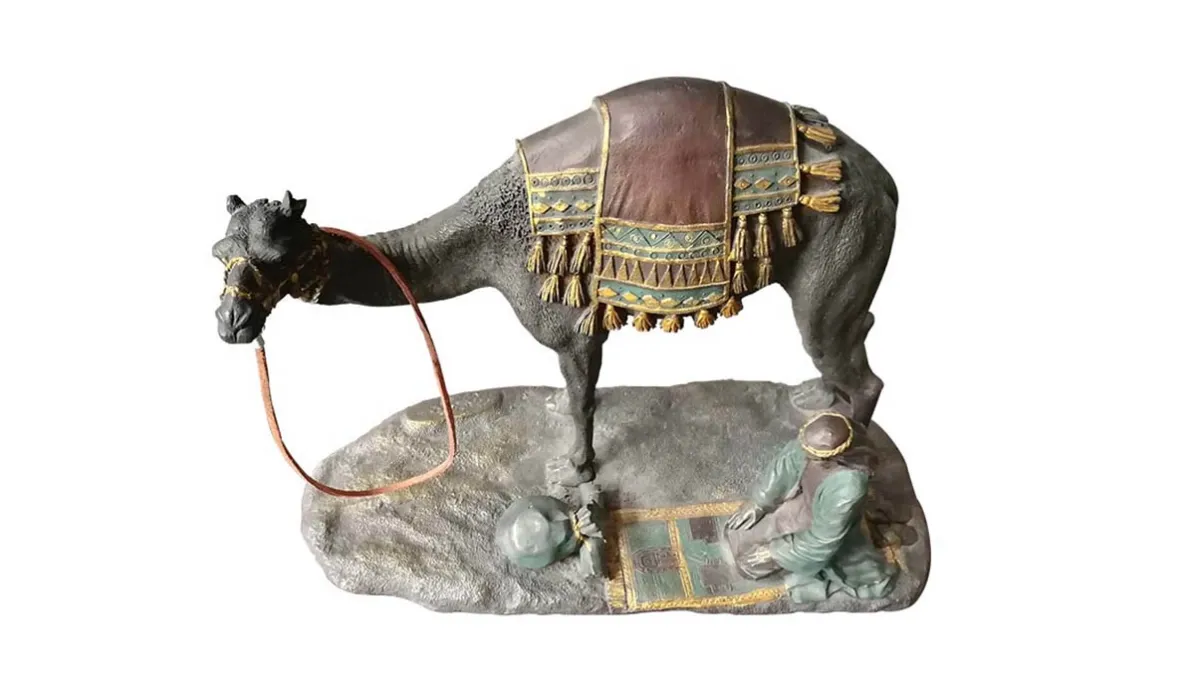
Anatomical accuracy. Gulf buyers — particularly Saudi and Emirati clients — have a culturally informed eye for camel anatomy. A poorly proportioned camel reads as disrespect, not decoration. Accuracy isn't optional.
Surface quality and patina. Gulf interiors often feature materials at a very high specification level — Italian marble, European hardware, premium textiles. A bronze sculpture in these environments needs to meet the same standard. Surface quality — casting density, absence of porosity, consistent finishing — is non-negotiable.
Cultural appropriateness. The camel is not a neutral form — its weight in Gulf culture runs from Bedouin heritage to prosperity and gift-giving, which we covered in depth in our guide to the cultural significance of bronze camels. A supplier who treats a camel commission the same way they'd treat a horse or an abstract sculpture is a supplier who doesn't understand the market.
Packaging and presentation. Premium packaging matters in Gulf business culture. The unboxing experience is part of the gift's value — particularly for corporate gifts. Bulk shipments need adequate protection for the conditions of Gulf ports and transport.
Discretion. Many Gulf clients — particularly for large commissions — prefer strict confidentiality. Supplier branding should not appear on shipments or documentation without specific authorization.
Commissioning Process for Middle Eastern Projects
Design Brief The brief should include: Project type and context (hotel lobby, public space, retail development, corporate gift) Target country and cultural context (Saudi, UAE, Qatar, Oman, Bahrain, Kuwait) Scale requirements (tabletop, floor-standing, life-size, overscale) Patina color preference (warm amber and sand tones are most common; dark patina is used in contemporary interiors) Quantity Delivery timeline and destination Any cultural or brand requirements Confidentiality requirements
Design Development For custom camel commissions, the design stage offers 2–3 concept directions with rendered views. This is where cultural specificity is established — a museum-commissioned camel piece for a Saudi cultural institution has different requirements than a hotel lobby sculpture for an international brand in Dubai.
Sample Approval Every commission includes a physical sample stage. We produce two samples — one ships to you for approval, one stays at the foundry as the production benchmark. Production starts on your written sign-off on the piece in your hand — not on photographs.
Production and Shipping We provide export-grade crating for every shipment — fumigation-free wooden cases built for direct container loading, with no pallets — along with the full export documentation your forwarder needs: commercial invoice and packing list. Freight itself is arranged through your appointed freight forwarder, and we assist with coordination at our end.
Freight options your forwarder will typically quote: Sea freight — several weeks, most economical for standard and large shipments. Air freight — a few days, for time-sensitive commissions or sample shipments. Significantly more expensive.
Common Logistics Challenges
Customs clearance in Saudi Arabia. Saudi customs has specific requirements for import documentation. Work with a local clearance agent who is familiar with sculpture and artwork imports.
Port congestion. Major GCC ports (Jeddah, Dubai, Doha) experience periodic congestion. Build in buffer time for port delays.
Difficult-site access. Some projects — particularly heritage sites, enclosed malls, or high-end hotel interiors — have very specific access requirements. Confirm site access constraints before finalizing crating specifications.
Documentation for government projects. Government and municipal projects in the GCC sometimes require specific documentation — Arabic-language invoices, certified documentation, local agent representation. Flag these at the brief stage.
Middle East Market Pricing Notes
The Middle East market for premium bronze sculpture is price-insensitive in a specific way: buyers in this market are not looking for the cheapest option. They're looking for the best quality at a fair price. The decision is almost always made on quality, cultural understanding, and reliability — not on price alone.
This means that: The most competitive strategy in this market is quality and cultural expertise, not low pricing Low pricing is often read as low quality — which is accurate Relationships and demonstrated understanding of the market matter enormously
Detailed pricing, as always, is set out in your quotation once scale and quantity are defined.
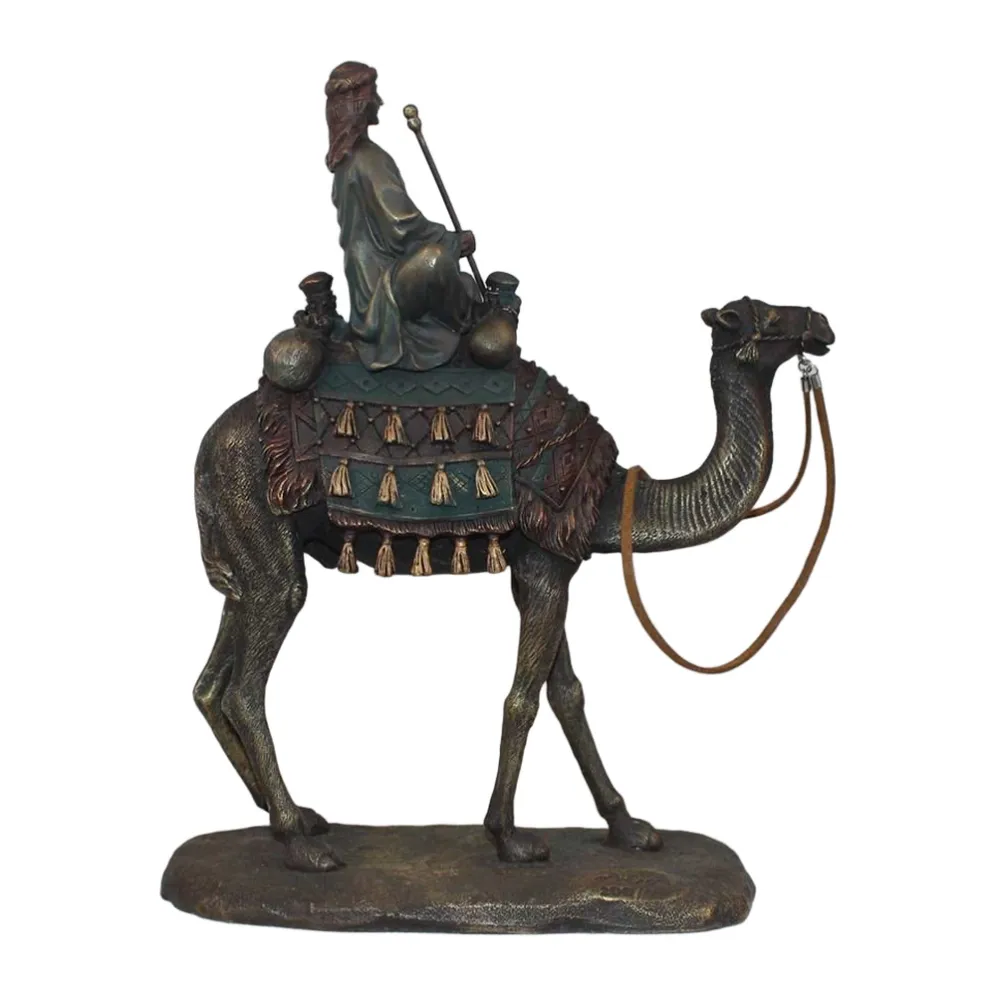
How We Work With Middle Eastern Clients
Our camel line was developed for the Gulf and wider Middle East market — the anatomy, the poses, the patinas are built for this context. Our working approach:
Inquiry handling that asks about cultural context, not just dimensions Strict confidentiality on client commissions — no supplier branding on shipments or documentation unless you ask for it Export crating built for Gulf port conditions — fumigation-free wooden cases, direct container loading We do not reference clients in marketing without explicit written authorization
Ready to Discuss Your Project?
Whether you're sourcing a single hotel lobby piece or a multi-product program for GCC distribution, tell us the project type, destination country, and scale. See the current camel line — the seated form and the camel and rider — and we respond within one business day with initial feasibility feedback; detailed pricing is set out in your quotation once scale and quantity are defined.
Camel pieces for Middle Eastern projects: send the drawing, the size and the finish you have in mind — Custom Bronze Sculpture and Contact Us.