Sep 21, 2026Care & Maintenance Guide
Bronze Sculptures for Hotels | What Designers Look For
Hotel designers share what they actually look for in bronze sculptures—durability, patina quality, and how a piece fits the space. Written for hospitality buyers.
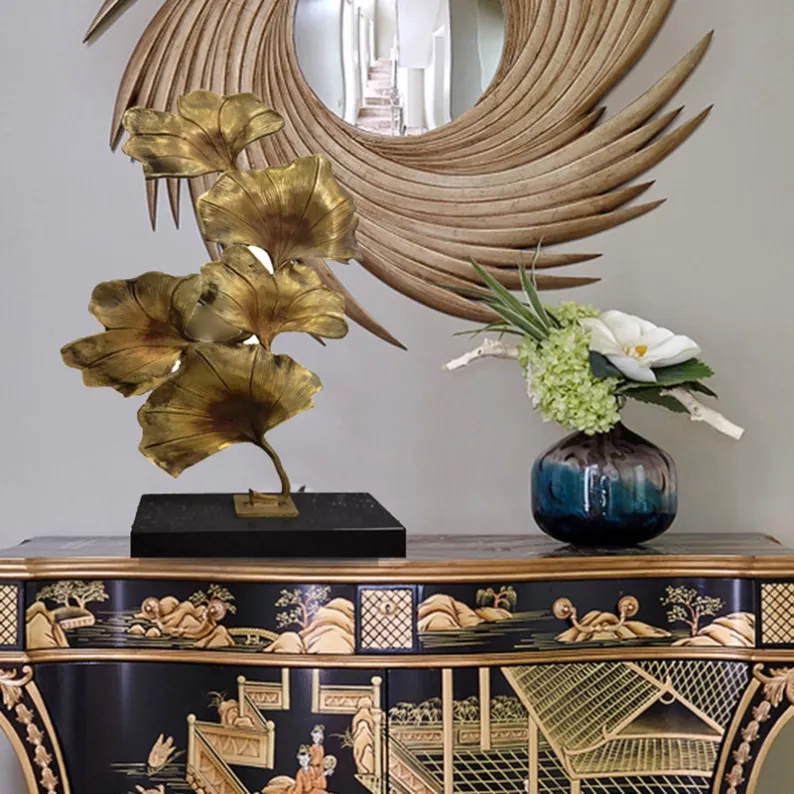
I've spent enough time around hotel designers to know that most of them don't talk about bronze the way I do.
I talk about alloys, chemical reactions, and casting tolerances. They talk about whether a piece will still look good after three years of daily cleaning, whether it'll hold up in a lobby with floor-to-ceiling windows, and whether the weight feels substantial enough to justify the price tag.
Here's what I've learned from listening to them.
- Durability isn't a bonus—it's a requirement
Hotel lobbies are not gentle environments. Sculptures get dusted daily, bumped by luggage carts, and occasionally handled by curious guests.
Resin pieces with sprayed-on metallic finishes don't last. The coating dulls, scratches show bare material, and within a year, the piece goes from "statement" to "maintenance issue." For a hotel, that means replacement costs, labor, and downtime.
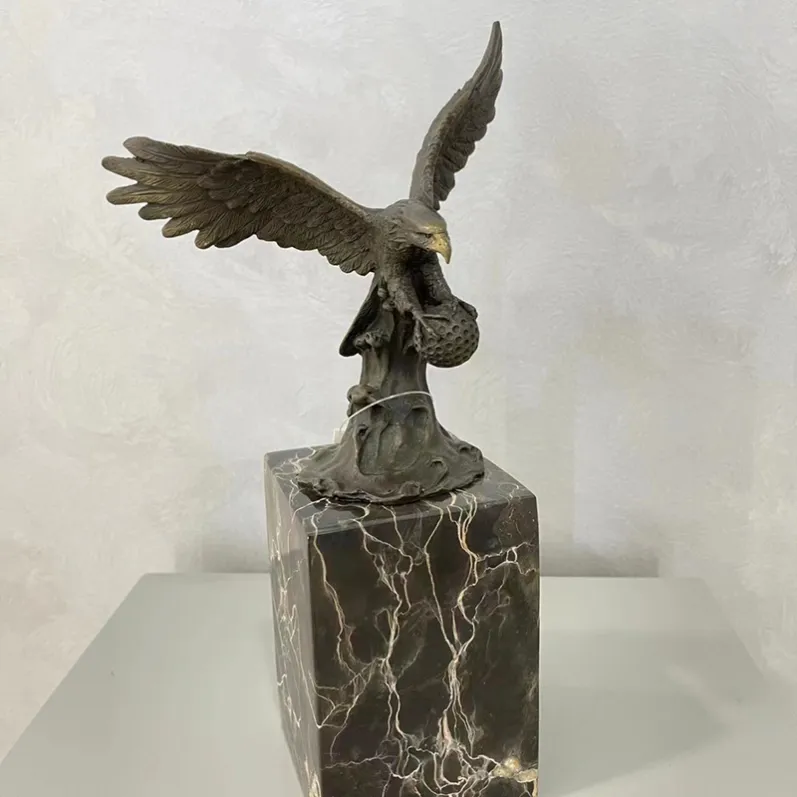
Cast brass with a proper hot patina doesn't have that problem. The color is part of the metal, not a layer on top. It won't peel, scratch to a different color, or fade under sunlight.
- Hot patina gives you depth that cheap finishes can't match
The visual appeal of a bronze sculpture comes from the patina—the surface color and texture that develops through chemical treatment.
With hand-applied hot patina, the color layer is fused into the bronze surface. It's not painted on. And because the process is manual, each piece has subtle color variations that designers actually value. Uniformity is for mass production; bronze is for character.
In hotels, where guests notice surfaces and finishes more than they admit, that depth of texture elevates the entire space.
- Weight is a silent signal
Cast brass sculptures feel heavy because they is heavy. That weight communicates quality before anyone reads a label or checks a spec sheet.
Hollow pieces, by contrast, feel light and insubstantial. The difference is immediate when you pick one up. For clients spending on a premium interior, that tactile quality is part of the story they're paying for.
It also means the piece stays put. No accidental tipping during cleaning, no shifting when someone leans against a console table.
- Customization without the headache
Designers and hotel procurement teams often need specific sizes, finishes, or branding. A factory that casts in-house can adjust these without layers of approval or quality uncertainty.
At Patinara, we handle:
- Size adjustments from desktop to life-size
- Patina color matching to existing palettes
- Logo engraving or custom base branding
- Exclusive molds for clients who don't want their designs copied
-
Every custom order goes through a pre-production sample approval. You see what you're getting before we cast the full run.
- The humidity question
If your project is in a coastal area or a location with high humidity, it's worth asking about corrosion resistance. Standard bronze with a stable patina handles humidity well, but it's worth confirming with your supplier—especially for outdoor-adjacent installations.
I've seen hotel projects where the art budget got cut first. I've also seen projects where the art was the only thing that didn't get cut. The difference usually comes down to whether the buyer understood what they were getting.
Cast brass is more expensive upfront. It's also more expensive to replace if you try to cut corners the first time. For hotel designers, that math usually works out in favor of doing it right the first time.