Sep 21, 2026Buying Guides
Bronze Reining Trophies: How to Evaluate Quality Before You Order
Buying custom bronze reining trophies? Learn how to evaluate casting quality, alloy, patina, welding, bases, engraving, and manufacturing standards before placing a bulk order.
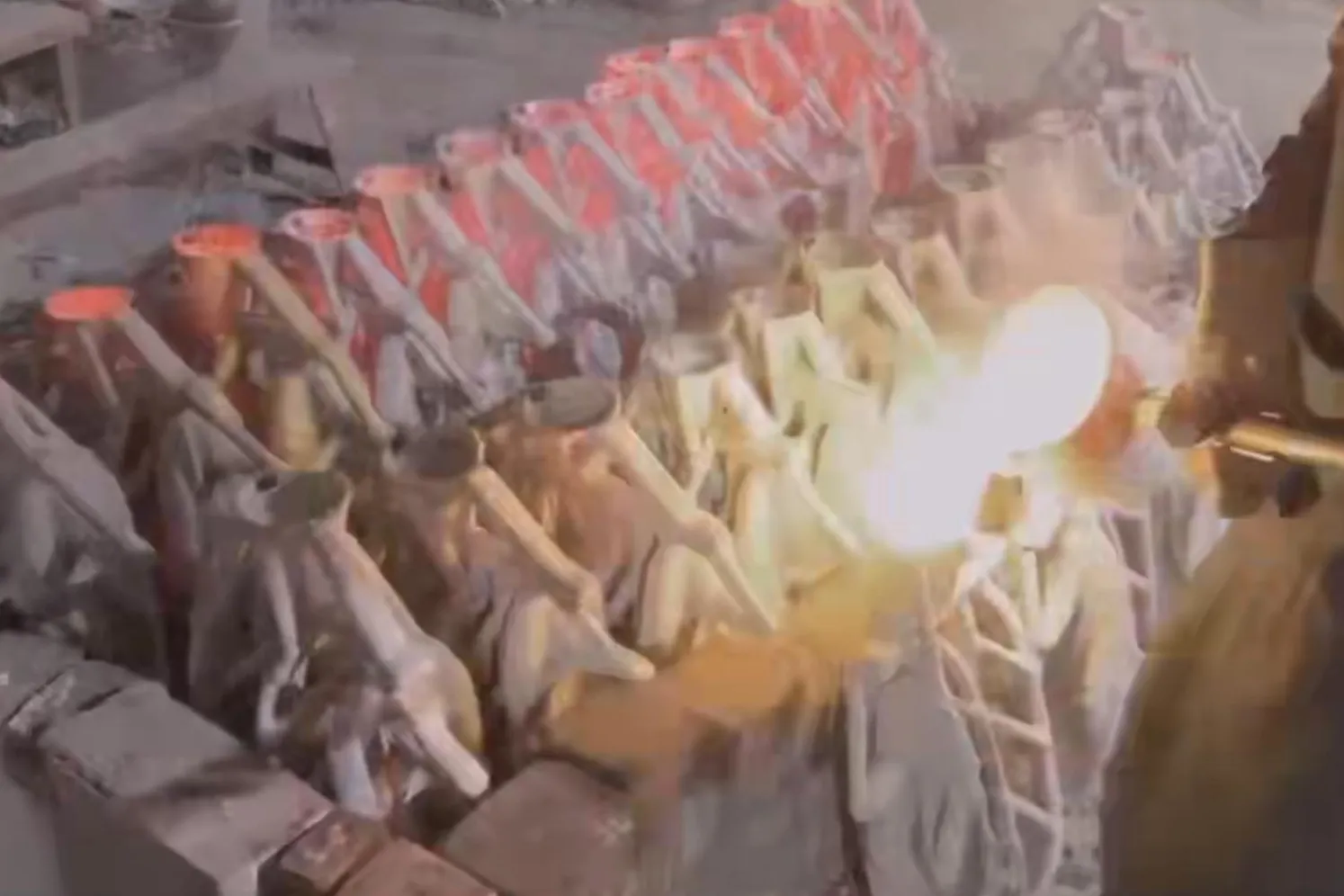
When you're ordering bronze reining trophies for a competition, association, or annual event, the first quote is rarely the whole story.
Two trophies can look almost identical in a product photo while being very different in weight, construction, surface finish, and long-term durability. Those differences become much more obvious when the trophies arrive, when they are photographed at an event, or when you reorder the same design a year later.
For buyers sourcing custom bronze trophies, the important question isn't simply "Which supplier has the lowest price?"
It's:
What are you actually getting for the price?
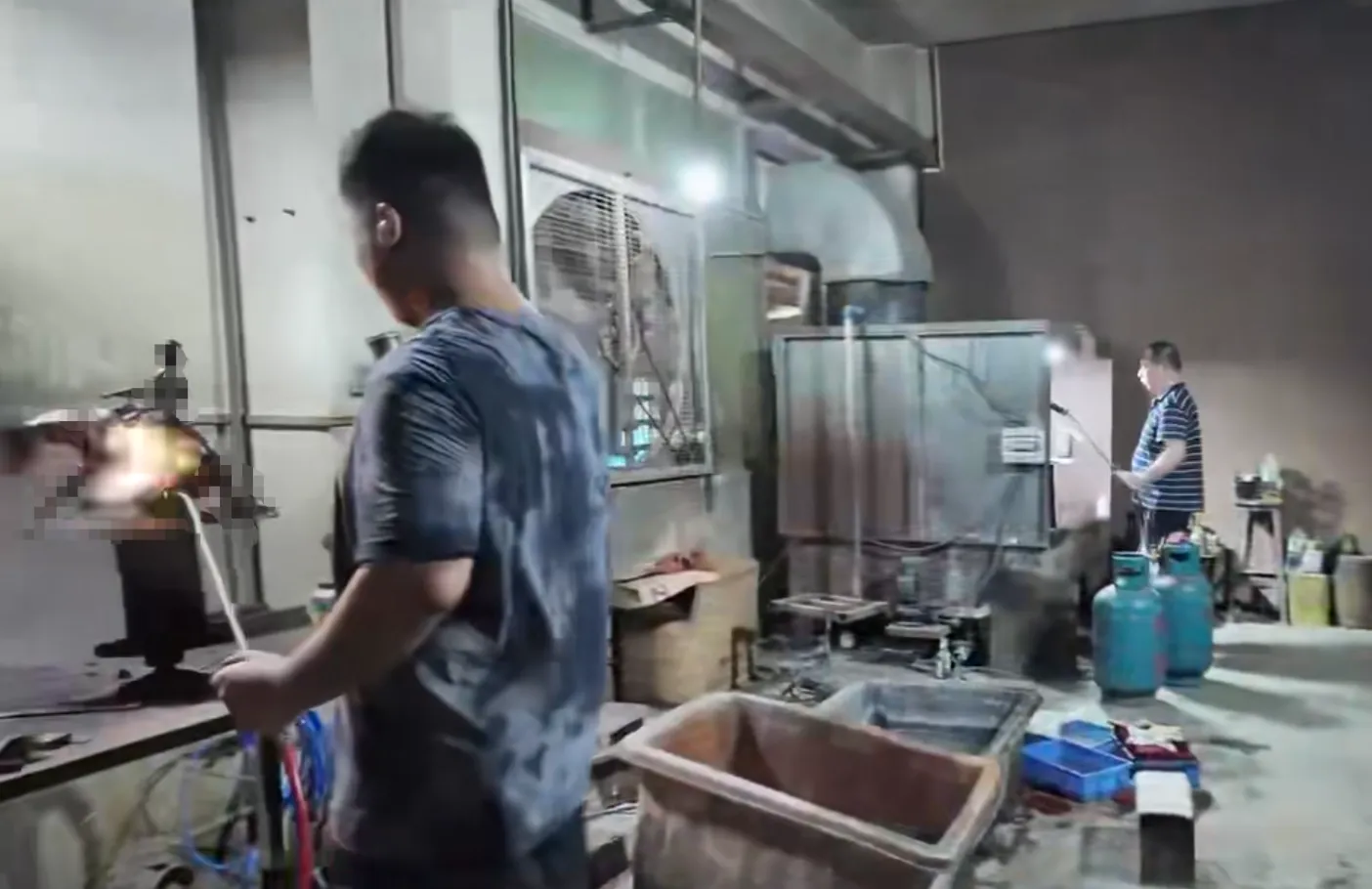
This guide covers the main quality factors to check when sourcing bronze reining trophies, particularly when working with a manufacturer or foundry in China.
What Makes a Quality Bronze Reining Trophy?
For B2B trophy buyers, four areas deserve particular attention:
- Bronze casting quality
- Patina and surface finishing
- Assembly and welding
- Base construction and engraving
There are also reining-specific design considerations that shouldn't be overlooked.
1. Bronze Casting Quality Matters More Than the Product Photo
A finished bronze trophy can hide a lot of information.
The quality of the original casting affects the weight, surface detail, structural strength, and amount of finishing work required afterward.
For custom reining trophies, the horse's anatomy is particularly important. Fine details around the head, mane, legs, reins, saddle, and rider need to survive the casting process without becoming soft or distorted.
Wall Thickness and Weight
A trophy-scale bronze sculpture is more than a shell with a decorative finish.
The manufacturer needs to determine an appropriate wall thickness based on the size and structure of the design – for a trophy of this scale, typically around 3 mm. The same standard runs through our bronze Tang Dynasty horse sculpture.
If the walls are too thin, the piece can become unnecessarily fragile. If the casting is poorly controlled, internal defects or inconsistent sections can also create problems during finishing and assembly.
Weight is therefore one useful indicator when comparing similar trophies.
If two trophies are approximately the same size and design, but one feels noticeably lighter, ask the manufacturer why.
However, weight alone does not prove casting quality. Alloy composition, internal structure, dimensions, and design all affect the final weight.
A professional supplier should be able to explain the material and construction rather than simply saying that the trophy is "solid bronze."
What to Ask Your Manufacturer
Before placing a bulk order, ask:
- What bronze alloy do you use?
- Is the figure cast in one piece or multiple sections?
- What wall thickness is typical for this size?
- How are casting defects inspected?
- How are thin or delicate areas reinforced?
A manufacturer that handles custom bronze sculpture regularly should be comfortable discussing these points.
2. Patina Is Part of the Product, Not Just a Color
The surface finish is one of the most noticeable differences between inexpensive and well-finished bronze trophies.
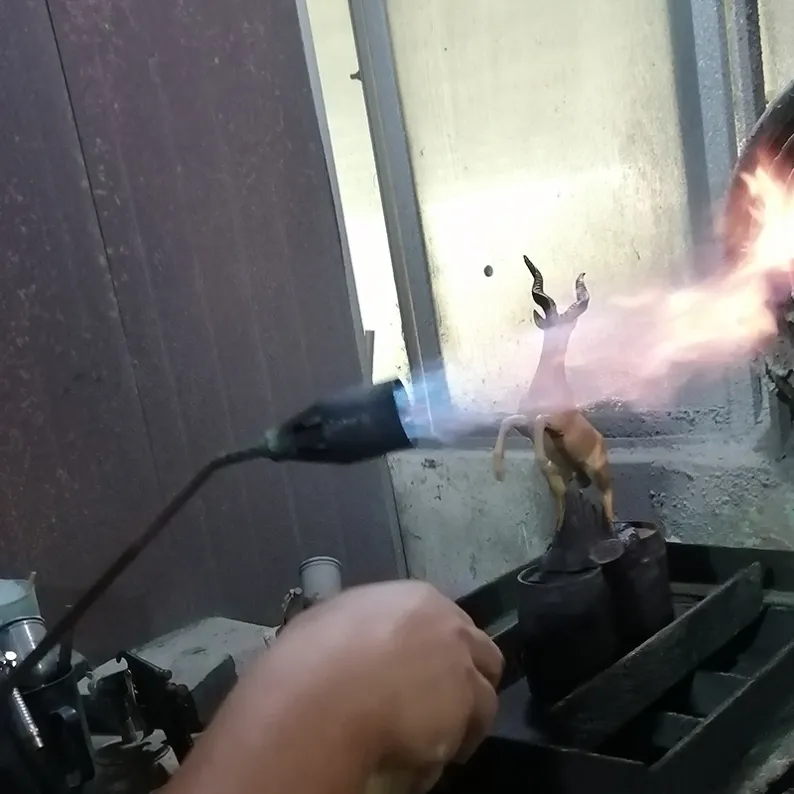
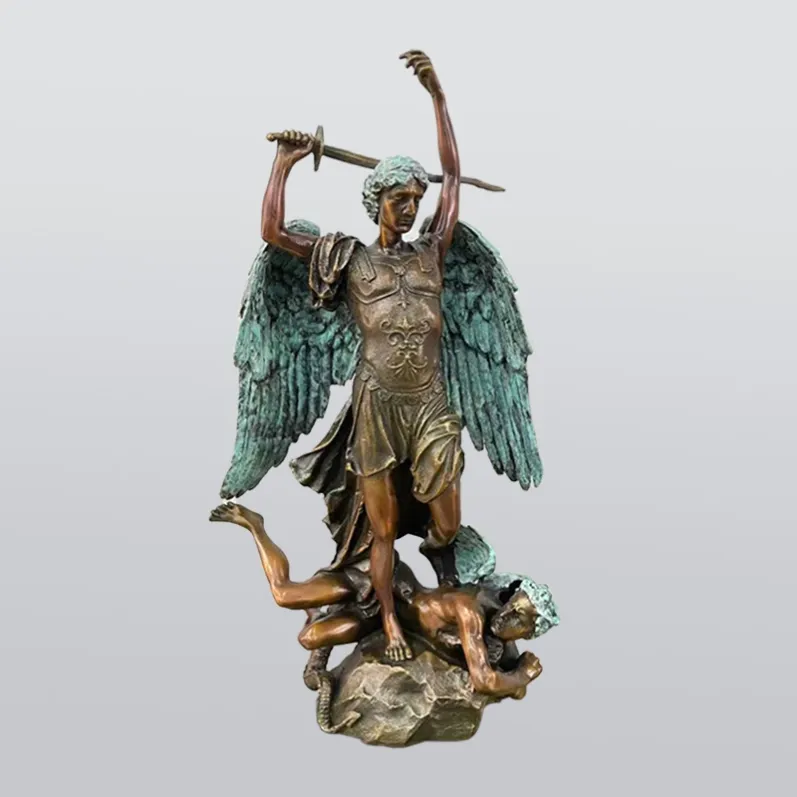
Bronze can be finished in many ways, including traditional chemical patination, antique finishes, polished highlights, and combinations of different tones.
For equestrian trophies, the finish should also work with the form of the horse and rider. A good patina gives depth to the sculpture instead of covering the detail with a flat layer of color.
Hot Patina vs. Painted Finish
One important distinction is how the color is applied.
Traditional hot patination involves applying chemicals to heated bronze to create a chemically developed surface. The result can have variations in tone and depth that emphasize the sculptural form.
A painted or heavily coated surface can look more uniform and may not have the same visual character.
That does not mean every painted finish is automatically poor quality. The important point for buyers is to understand what finishing process the supplier is actually using.
How to Check Patina Quality
Don't evaluate the finish from one carefully edited product photograph.
Ask for:
- Close-up surface photographs
- Natural-light photographs
- Photos of previous production samples
- A physical sample before bulk production
- Details of the proposed patina color or finish
For annual competitions, this becomes even more important.
If the same trophy is reordered every year, the supplier needs a process for keeping the finish reasonably consistent from one production run to the next.
3. Welding and Section Assembly Should Be Difficult to See
Large bronze sculptures are commonly cast in multiple sections.
For a reining trophy, this may include separate sections for the horse, rider, equipment, legs, base connection, or other structural elements depending on the design.
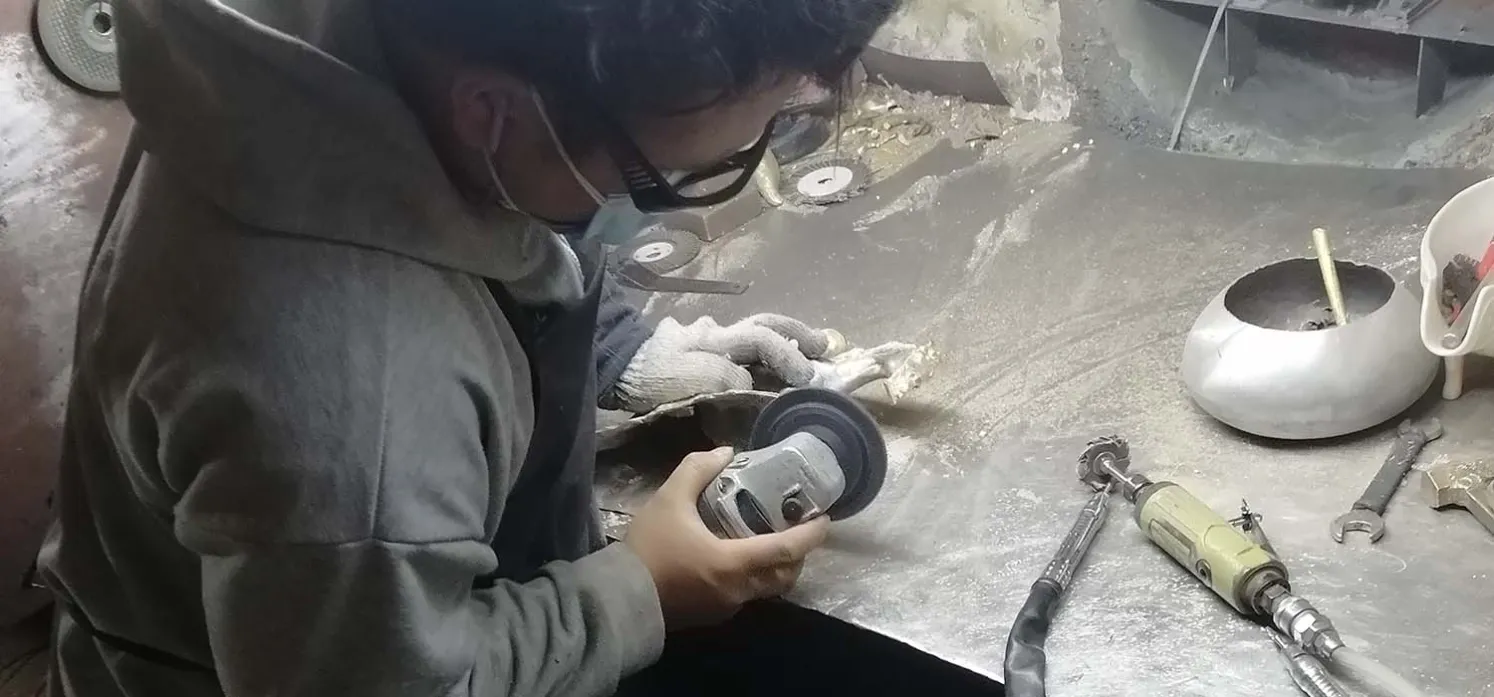
Those sections need to be joined, chased, ground, and finished carefully.
Look Closely at the Join Lines
A poorly finished weld can appear as:
- A visible ridge
- A change in surface texture
- A different color around the joint
- An unnatural transition between body sections
- A weak-looking connection
A properly finished joint should blend into the surrounding surface so that it does not distract from the sculpture.
This is particularly important for close-up event photography.
Ask This Before Ordering
A useful question for your supplier is:
"How are the casting sections joined and how are the weld lines finished?"
Ask for close-up photographs of previous work rather than relying only on a verbal answer.
For a new custom design, the pre-production sample is the best opportunity to check this before authorizing the full order.
4. The Base Is Part of the Trophy
The bronze figure gets most of the attention, but the base has a major effect on how the finished award looks and performs.
A well-designed bronze figure can be undermined by an unstable, poorly finished, or incorrectly proportioned base.
Common base materials include:
- Wood
- Marble
- Granite
- Metal
- Composite materials
The right choice depends on the trophy's size, budget, event requirements, and overall design.
Wood Bases
For wood, check:
- Surface finish
- Grain consistency
- Edge quality
- Stability
- Engraving quality
- Connection between the bronze and the base
Stone Bases
For marble or granite, check:
- Stone quality
- Surface finish
- Edge treatment
- Mounting holes
- Stone consistency between units
Metal Bases
For metal bases, look at:
- Weld quality
- Surface finishing
- Stability
- Attachment points
- Consistency across the production run
How Should the Bronze Figure Be Attached to the Base?
This is an easy detail to overlook during the quoting stage.
For a professional trophy, the bronze figure should have a secure mechanical connection to the base appropriate to its size and weight.
Depending on the design, this may involve threaded inserts, bolts, studs, or other mechanical fastening methods.
For heavier pieces, relying solely on adhesive is generally not the approach buyers should want.
Ask your manufacturer to explain how the bronze figure will be mounted to the base and request a photograph or drawing if the construction is not obvious.
Reining Trophies Need More Than a Generic Horse Design
A reining trophy is not simply a horse statue with a plaque attached.
The design should reflect the movement and character of the discipline.
Reining horses are commonly represented in movements such as the sliding stop, spin, rollback, or a collected maneuver. The horse's posture, balance, neck position, hindquarter engagement, and relationship with the rider all influence whether the sculpture looks convincing.
This is particularly important for associations, competition organizers, and established equestrian brands.
A generic horse sculpture may be acceptable for a general equestrian award, but a custom reining trophy should be developed around the discipline it represents.
Work From the Right Reference Material
If you're commissioning a new design, provide:
- Reference photographs
- Existing artwork or sketches
- 3D files if available
- Association or event branding
- Preferred horse movement
- Rider and tack details
- Trophy dimensions
- Base specifications
The manufacturer should then confirm what can realistically be achieved through the casting and finishing process.
Why Sample Approval Is Important for Bulk Trophy Orders
For a B2B order, a digital rendering is not enough.
A 3D model can show the overall shape, but it cannot fully demonstrate:
- Actual casting detail
- Surface texture
- Patina depth
- Final weight
- Weld finishing
- Base quality
- Engraving
- Overall proportions
For this reason, a physical production sample is especially valuable before approving a larger run.
Check These Items During Sample Approval
Before approving production, inspect:
Sculpture
- Anatomy and proportions
- Fine details
- Surface quality
- Structural stability
Finish
- Patina color
- Color variation
- Highlighting
- Surface consistency
Construction
- Weld lines
- Connections
- Base attachment
- Stability
Personalization
- Logo placement
- Engraving size
- Font
- Spacing
- Alignment
Once the sample is approved, it becomes an important reference for the production team.
Consistency Matters When You Order Trophies Every Year
This is one of the biggest differences between buying a one-off sculpture and sourcing trophies for an annual event.
Suppose an organization orders 100 trophies this year and another 100 next year.
The buyer usually expects the second year's trophies to look substantially the same as the first.
That requires production records.
A professional manufacturer should be able to retain information such as:
- Approved sample
- Dimensions
- Bronze specification
- Patina process
- Base specification
- Engraving layout
- Packaging requirements
This creates a repeatable production standard rather than treating every reorder as a completely new job.
For associations and event organizers, this can be more important than saving a small amount on the first order.
Engraving and Personalization for Competition Trophies
Bulk trophy orders often involve personalized information.
That may include:
- Event name
- Division
- Champion title
- Horse and rider names
- Sponsor logo
- Year
- Recipient name
Engraving looks simple, but consistency becomes challenging when dozens or hundreds of different names are involved.
Before production, confirm:
- How engraving files should be supplied
- Which file formats are accepted
- Maximum character length
- Font requirements
- Positioning
- Proofing procedure
- How personalized data will be checked
For large annual orders, it is worth establishing the engraving format before production starts.
Buying Bronze Reining Trophies From China
China is an important manufacturing base for custom bronze sculpture and metal casting, but buyers should evaluate the manufacturer, not simply the country.
The right supplier can provide advantages in custom manufacturing, production capacity, finishing, and cost control.
The wrong supplier can create problems that are expensive to fix after production begins.
Ask About Manufacturing Capability
Before requesting a final quotation, find out whether the supplier:
- Operates its own workshop or foundry
- Handles custom sculpture production
- Provides sample development
- Can manage bronze casting and finishing
- Supports OEM or ODM projects
- Can handle repeat production
- Has experience with large-volume orders
- Can provide export packaging
A supplier that mainly resells catalog products may not be the right partner for a custom trophy program.
Lead Time for Custom Bronze Trophies
Custom bronze trophies require more time than standard metal awards because several stages are involved.
A typical project may include:
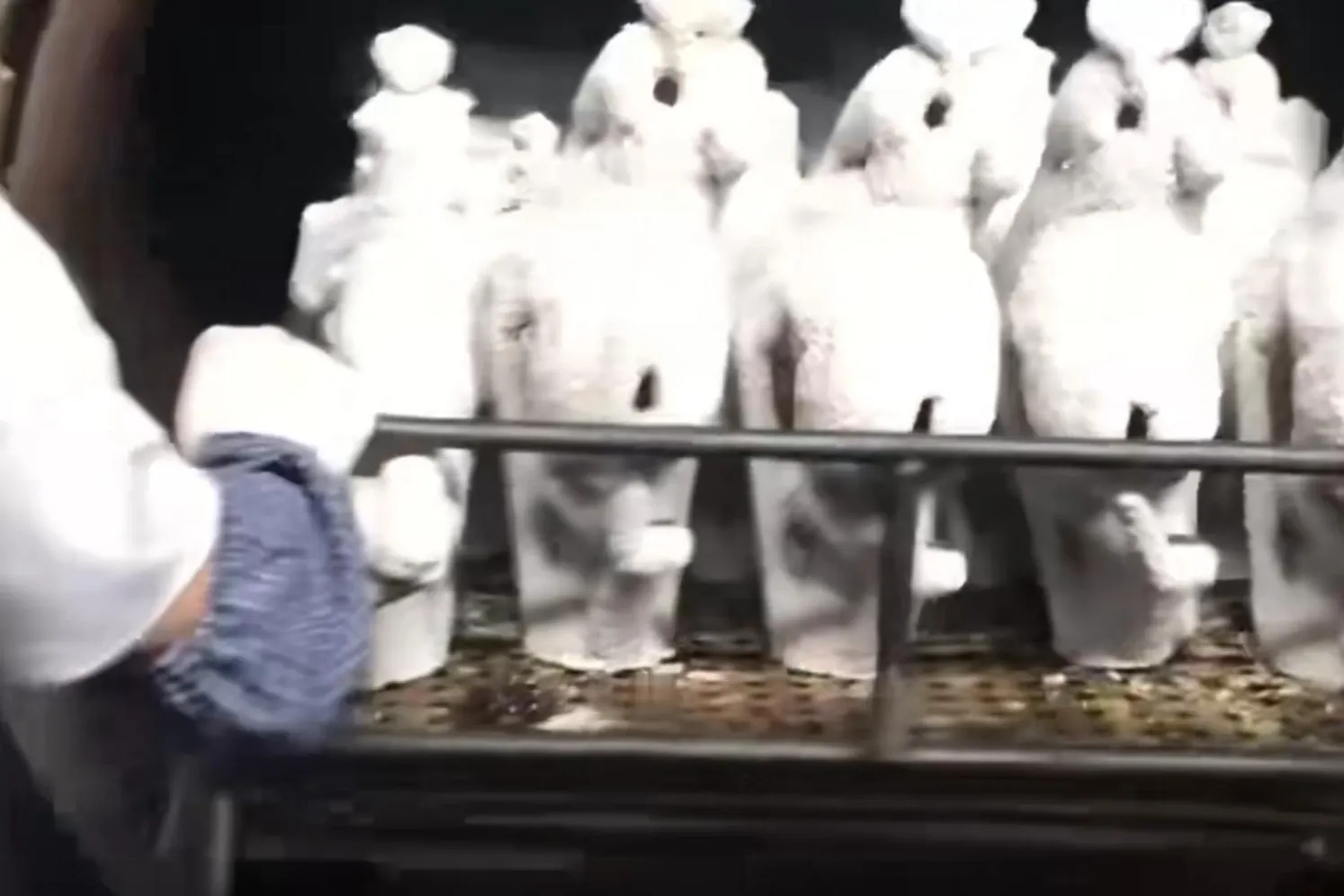
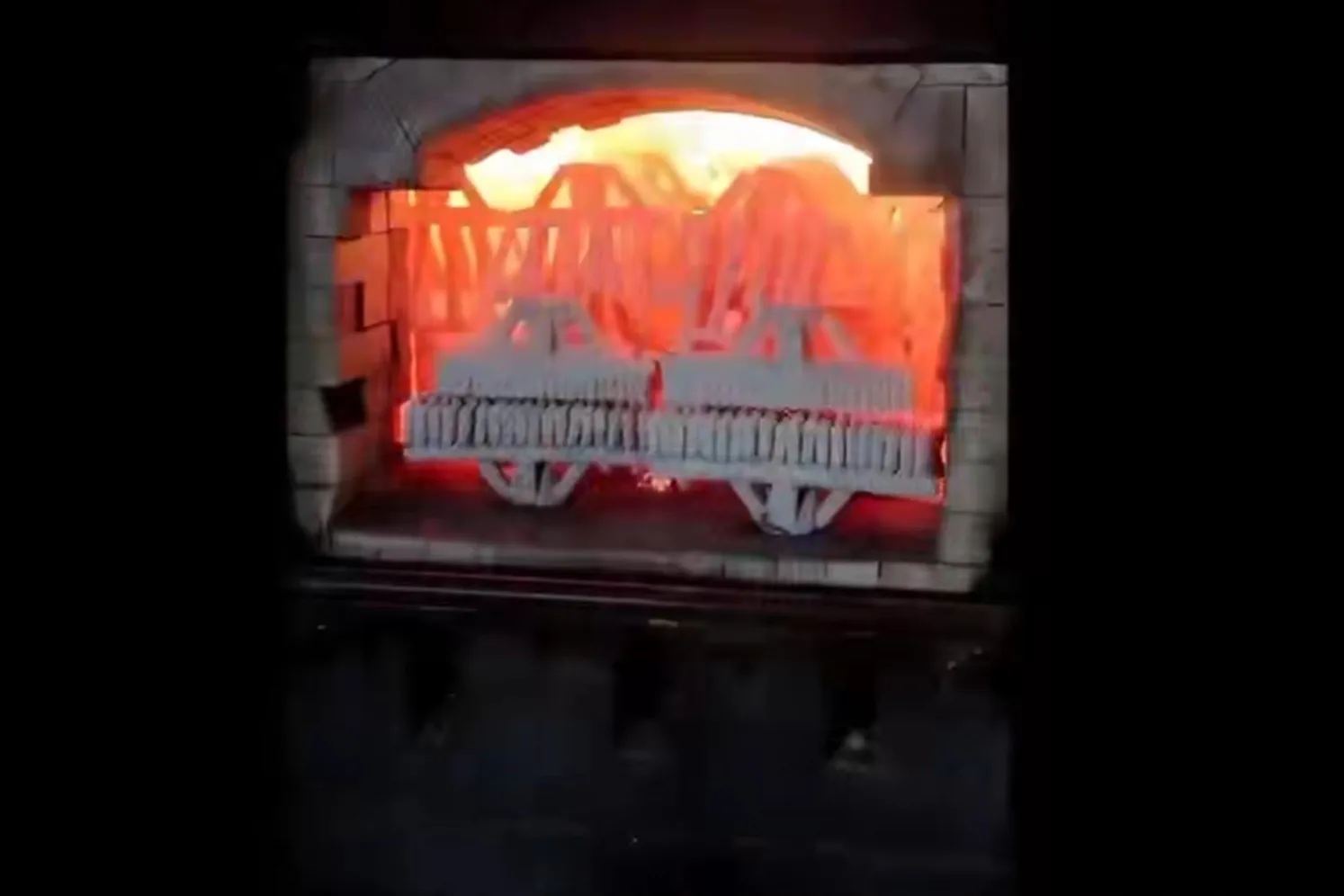
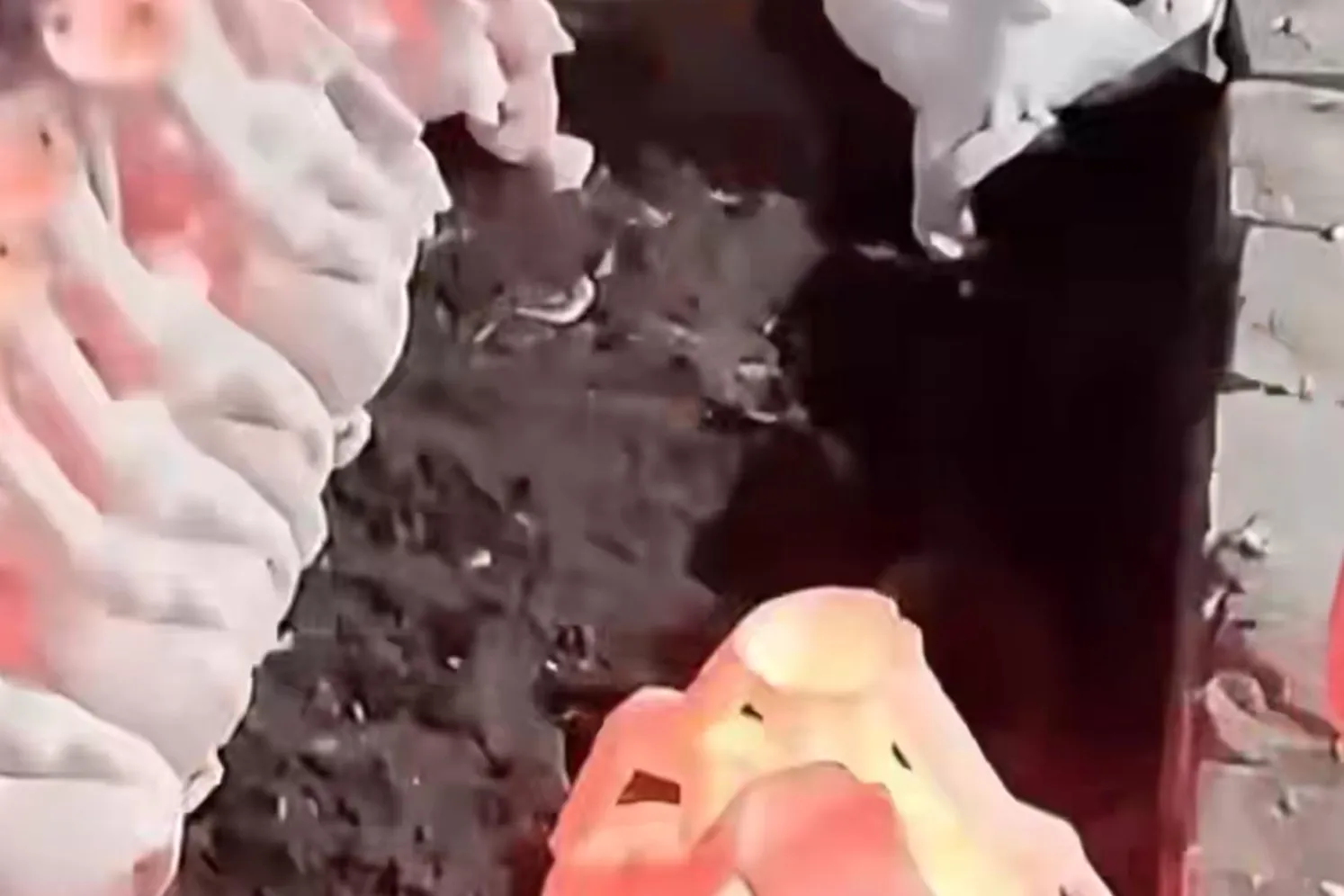
Design → 3D development → wax model → casting → chasing and welding → polishing → patina → base production → engraving → assembly → inspection → packing
The exact timeline depends on the design, quantity, sample requirements, and production schedule.
For custom projects, buyers should discuss the full timeline before placing the order rather than asking only about the shipping date.
If your trophies are needed for a fixed competition date, allow additional time for:
- Design approval
- Sample revisions
- Production
- Quality inspection
- Packaging
- International shipping
It is also sensible to discuss factory holidays and peak production periods when planning an annual event.
A Practical Checklist for Bronze Reining Trophy Buyers
Before placing a bulk order, ask your manufacturer these questions:
Product
- What bronze alloy will be used?
- What is the approximate finished weight?
- How is the sculpture cast?
- How are delicate areas reinforced?
- How are sections joined?
Finish
- Is the finish hot-patinated or painted?
- Can you provide close-up samples?
- How is color consistency controlled?
- Can the approved sample be retained as the production reference?
Base
- What material is used?
- How is the bronze attached?
- Is the connection mechanical?
- How is the base finished?
Personalization
- Can you handle variable engraving?
- How are names and logos checked?
- Can you provide an engraving proof?
Production
- What is the sample lead time?
- What is the bulk production lead time?
- What is the minimum order quantity?
- Can you support repeat annual orders?
- What quality inspection is performed before shipment?
A supplier who can answer these questions clearly is much easier to evaluate than one who simply sends a price list.
Custom Bronze Reining Trophies for Associations and Events
For organizations ordering reining trophies in quantity, the goal isn't simply to find a bronze horse at the lowest unit price.
The trophy represents the event, the competitors, sponsors, and the organization presenting the award.
That makes consistency and manufacturing control important.
At Patinara Art, we approach custom bronze trophies as manufacturing projects rather than catalog products. Our workshop handles the production process from sculpture development and wax modeling through bronze casting, finishing, patination, assembly, and final inspection. On trophy work, the main body of a figure is typically cast with walls of around 3 mm, with thinner details adjusted as needed.
For buyers who already have a design, we can work from existing artwork or 3D files. For new trophy programs, the design can be developed around the required horse movement, dimensions, branding, quantity, and budget.
We also support OEM, ODM, and custom bronze sculpture manufacturing for international buyers who need a repeatable production partner rather than a one-time supplier.
Ready to Develop Your Reining Trophy?
If you're planning a new reining trophy, annual competition award, or equestrian trophy program, send us the basic project information:
- Trophy design or reference images
- Quantity
- Approximate size
- Base requirements
- Engraving or branding requirements
- Target delivery date
- Budget range
We'll review the project and advise on manufacturing feasibility, production requirements, and the next step for sampling.