Sep 21, 2026Buying Guides
Sourcing Bronze Sculptures from China | What Importers Don't Tell You | Patina Sculptures
A foundry owner's honest take on sourcing bronze sculptures from China—quality control, patina durability, and why in-house casting matters for home decor importers.
I run a bronze foundry. I've also spent enough time on the buyer's side of the table to know that sourcing from China can feel like a gamble—especially when you're importing decorative sculptures for the US home decor market.
Here's the thing: most of the advice you'll find online is either too generic or written by people who've never actually held a finished piece. So I'll skip the fluff and tell you what I wish someone had told me before I started doing this full-time.
- Not all bronze is the same, and suppliers know exactly how much to tell you
You'll see "bronze" on a lot of spec sheets. What that actually means varies wildly.
Some suppliers use low-grade alloys that look fine in product photos but age poorly. Others use brass blends and call it bronze because the color is close enough. The difference shows up in two places: how the metal behaves during casting, and how the patina holds up over time.
For a home decor importer, the patina is what your customers will notice. If the metal composition is wrong, the patina won't bond properly. It'll look good for a season, then start to dull or flake.
Ask your supplier for the actual alloy breakdown. If they hesitate or give you a vague answer, that's a sign. A foundry that casts in-house should be able to tell you exactly what's in the metal.
- Hot patina vs. cold patina: the short version
Cold patina is a chemical dip at room temperature. It's faster and cheaper. The color sits on the surface like paint.
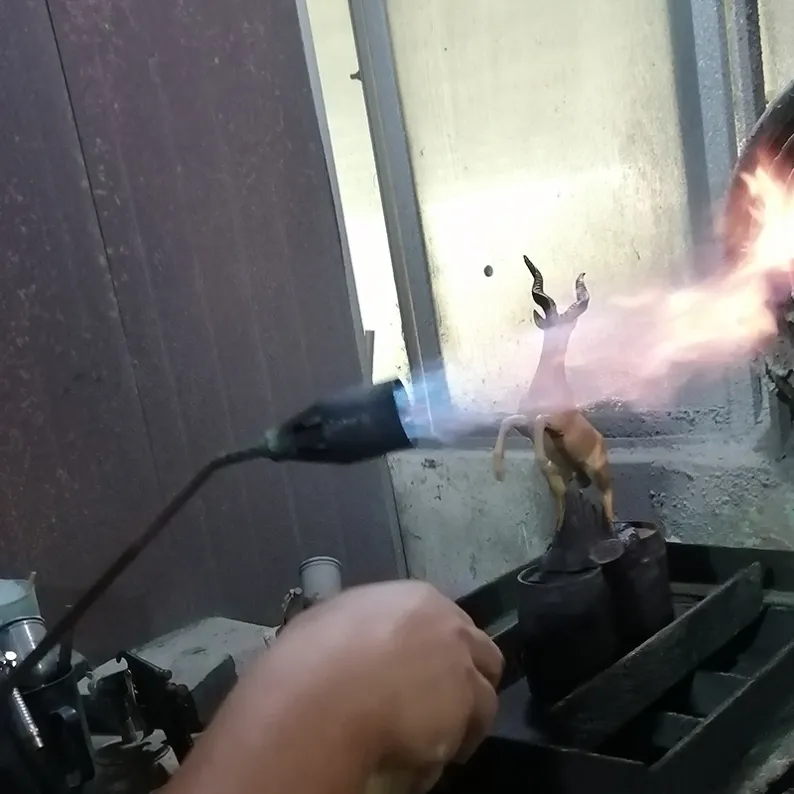
Hot patina is applied with heat. The color bonds with the metal. It wears better, lasts longer, and develops a depth that cold dips can't replicate.
For importers selling to designers or hotel procurement teams, this distinction comes up more often than you'd think. Your buyers may not know the technical difference, but they'll notice when a piece looks dull after six months. The cheapest quote isn't always the best deal.
- The supplier relationship is the real product
I've seen importers switch suppliers over a 5% price difference, only to spend months chasing quality issues. The reliable suppliers—the ones who answer emails within a few hours, hit delivery windows, and actually inspect pieces before they ship—are worth the premium.
What to look for:
- On-time delivery above 90% — below that, you're managing delays instead of growing your business
- Response time within 2-3 hours — if they're slow before the order, they'll be slower after
- Reorder rate above 20% — repeat buyers are the best signal of actual satisfaction
-
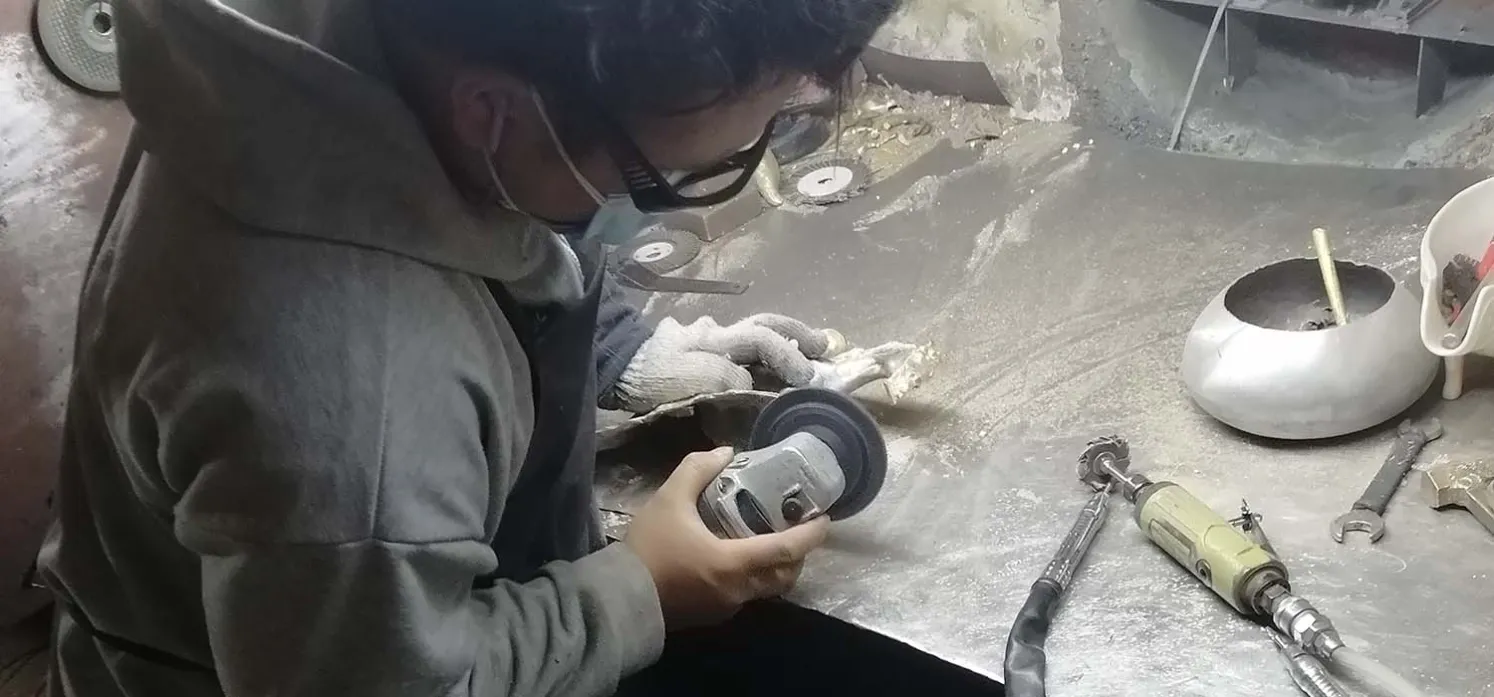
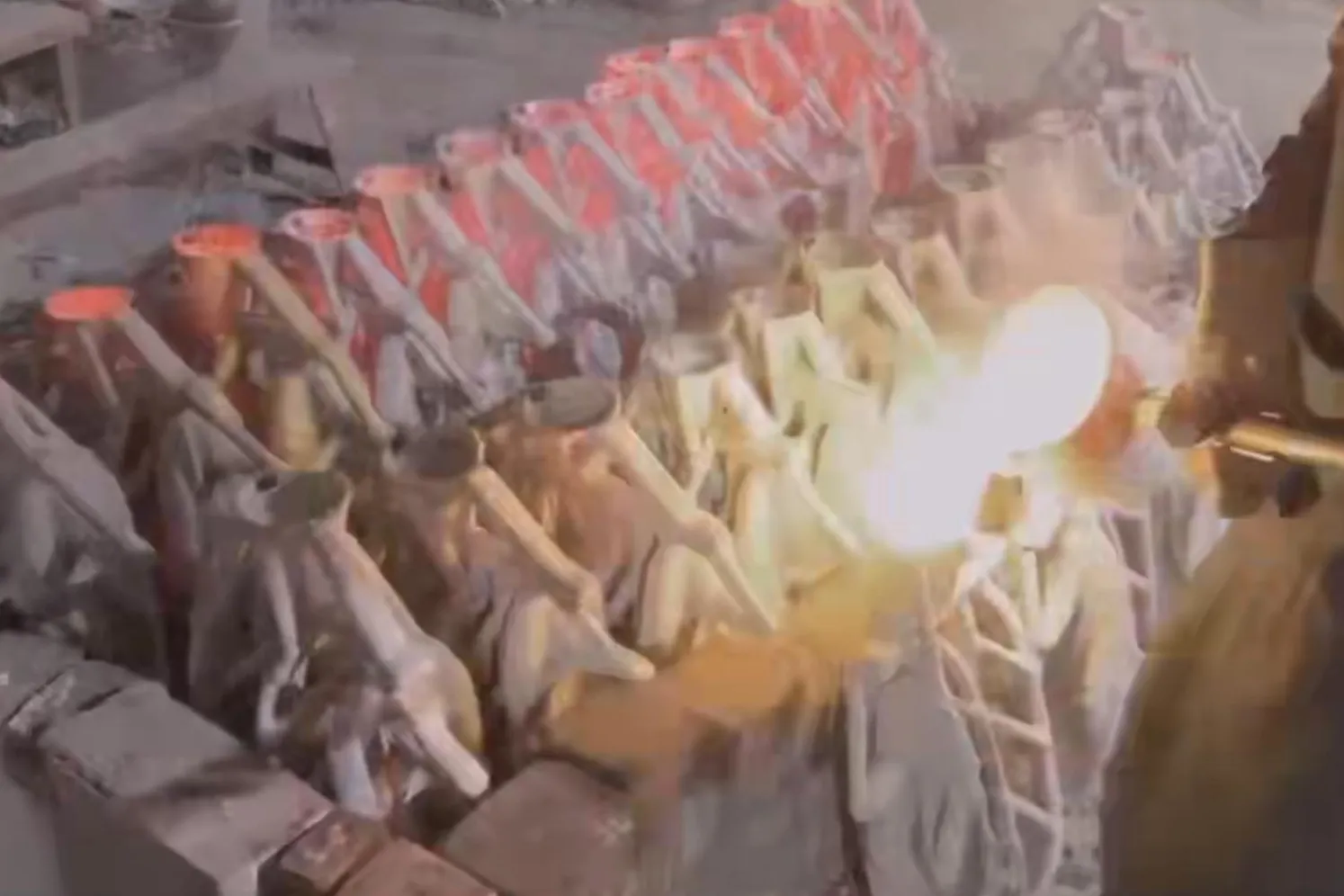
At Patinara, we're the foundry. We cast, finish, and pack under one roof. That means when you ask about a piece, you're talking to the people who actually made it—not a trading desk with a catalog.
Order a sample before you commit to a full container. It costs money upfront, but it's cheaper than finding out the finish doesn't match the spec after you've paid for shipping.
Some suppliers refund sample costs against a bulk order. It's worth asking.
- Logistics: the part nobody enjoys talking about
-
Bronze is heavy. It's also fragile if you don't pack it right.
Reinforced wooden crates with internal bracing are standard for a reason. Confirm who covers insurance during transit, and get clear documentation on weight and material for customs clearance.
For custom orders, lead times typically run 30-45 days from design approval to shipment. Stock designs are usually faster—15-25 days if the foundry has inventory.
This isn't meant to scare you off. China has some of the best bronze foundries in the world—including a few that I genuinely respect. But the good ones don't advertise on price alone. They advertise on consistency. And that's what you're really buying.
If you're evaluating new suppliers, ask them who does the actual casting. The answer will tell you more than any catalog ever could.
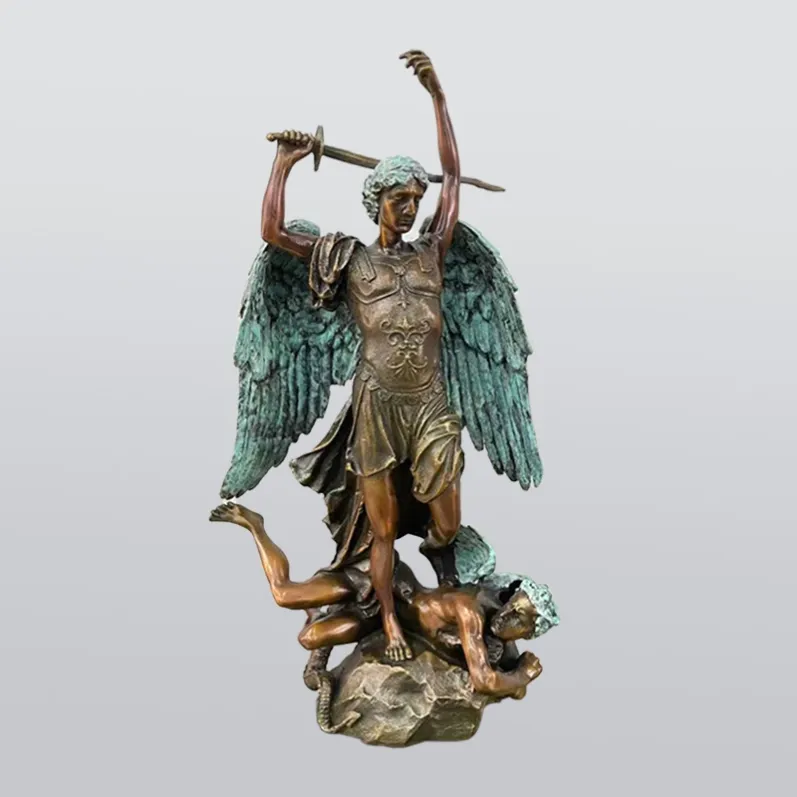
For a sense of what in-house casting produces, see our hand-cast Chinese kirin statue and brass deer statue pair.