Sep 18, 2026Buying Guides
More Than a Knick-Knack – What Bronze Figurines Actually Mean
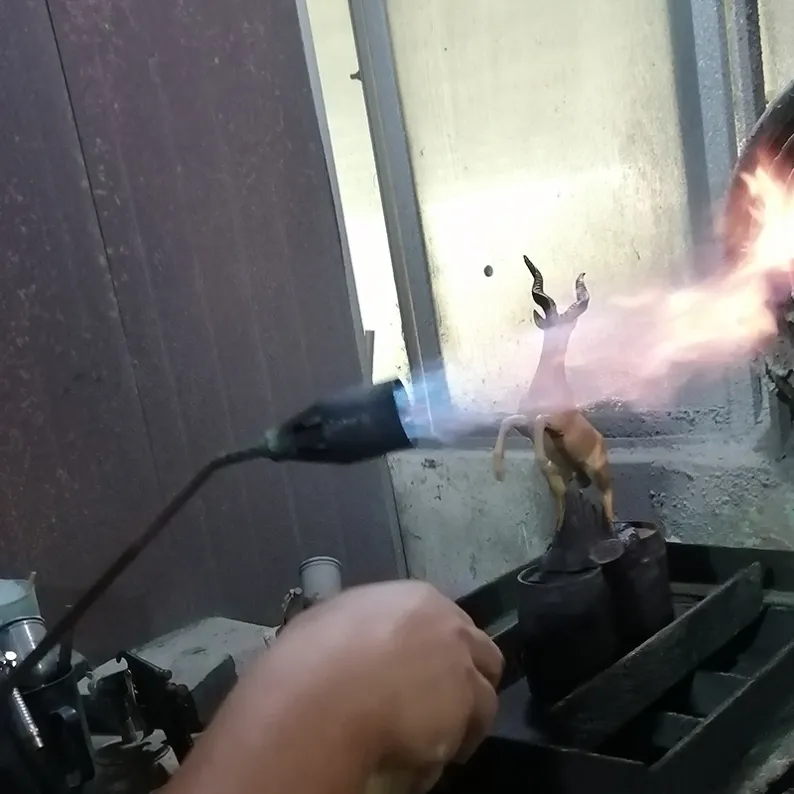
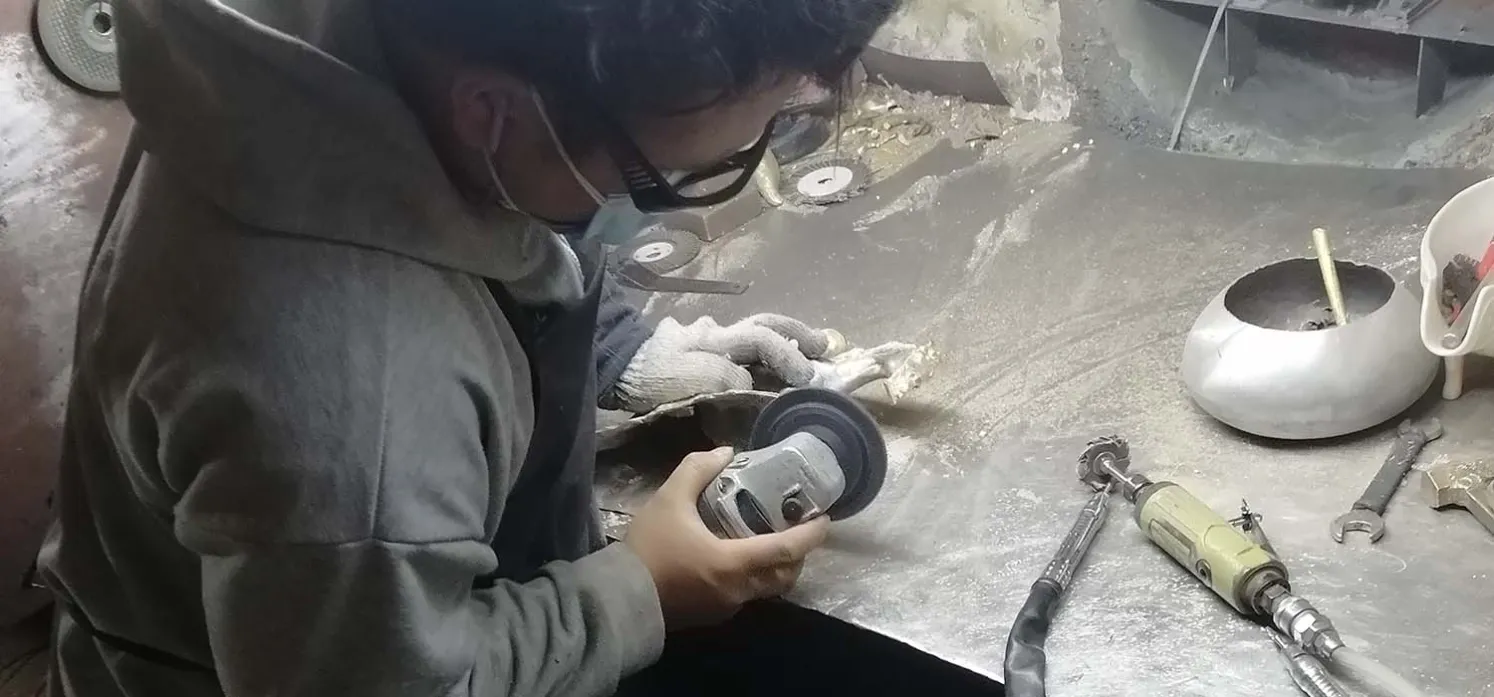
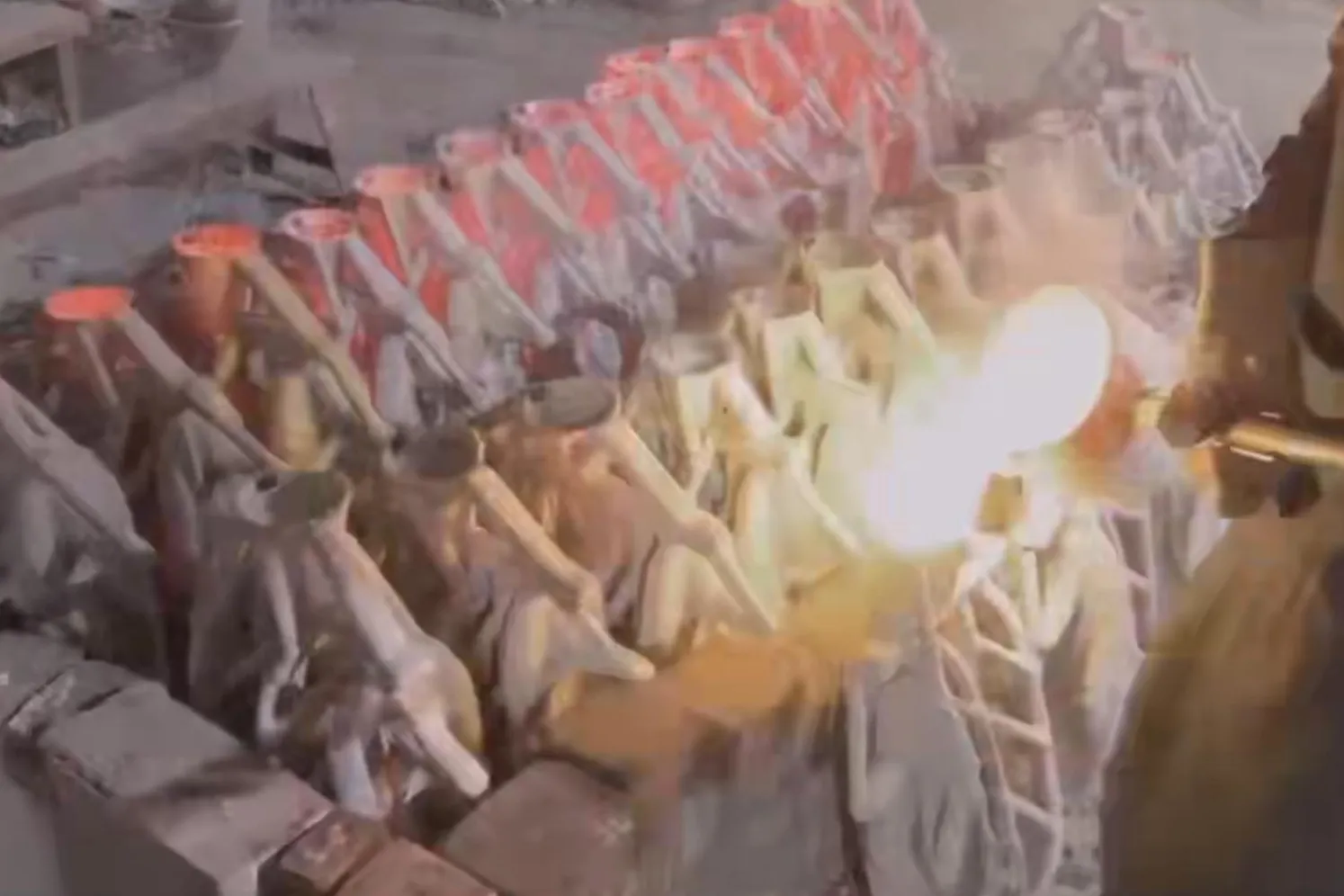
Bronze figurines, cast using the ancient lost-wax method, carry blessings that span millennia. Made by hand, not on assembly lines, they're gifts with real depth。
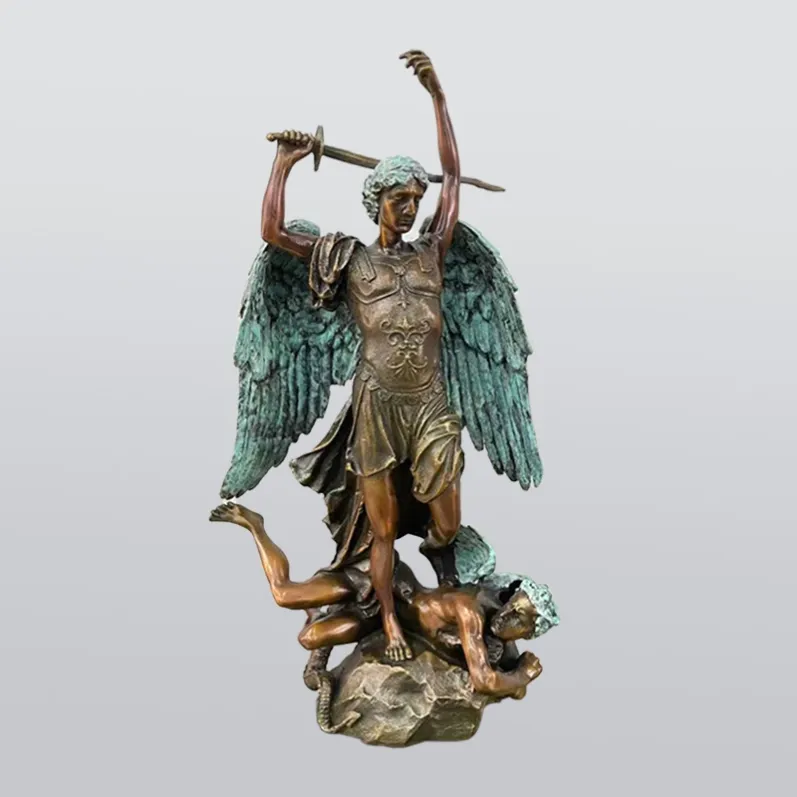
Here’s the thing about bronze figurines: they’ve been around for a very long time. Ancient Egyptians and Romans used small bronze figures for religious and ceremonial purposes. The Renaissance revived the tradition in Florence, with collectors passing pieces between themselves as symbols of taste and power. That’s not just history—it’s context.
When you pick up a cast brass figurine today, you’re holding something that connects you to that lineage. The lost-wax casting technique hasn’t changed much in six thousand years. The weight in your hand, the texture of the patina, the way the metal catches the light—it all feels deliberate. Handmade. Real.
That’s partly why bronze figurines make such thoughtful gifts. They carry meaning beyond their appearance. An owl represents wisdom. An elephant, good fortune. A Buddha figure invites calm. You’re not just giving someone a decoration—you’re giving them a symbol, a conversation piece, something that might sit on their shelf for decades and still feel relevant.
In a world of flat-pack furniture and mass-produced accessories, a bronze figurine feels like the opposite. It’s not trying to be trendy. It’s just been around long enough to know that trends come and go.