Sep 3, 2026Insights
Private Label Bronze Figurines: Build Your Own Brand Line
Build your own bronze figurine line with private label manufacturing, custom branding, flexible MOQs, packaging, finishes, and wholesale production.
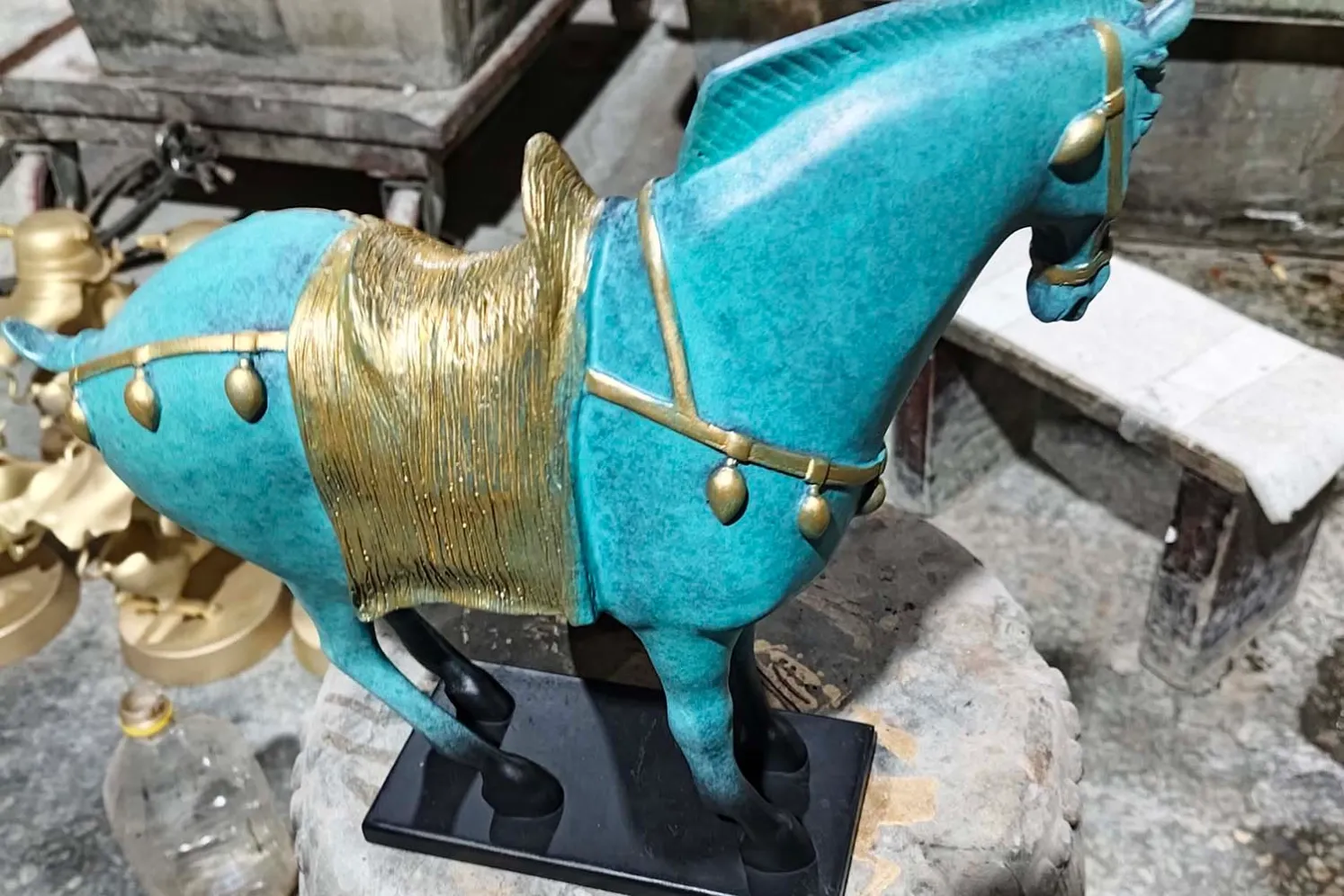
If you already sell home décor, gifts, collectibles, or premium decorative products, bronze figurines can be a natural addition to your product range.
The challenge is not finding a bronze sculpture factory. The real challenge is finding a manufacturer that can produce a consistent product, apply your branding, handle packaging, and support repeat orders as your collection grows.
That is where private label bronze figurines can make sense.
Instead of developing every product from scratch, you can start with existing bronze designs, select the sizes and finishes that fit your market, and add your own branding and packaging. Once a product proves itself, the same manufacturing setup can be expanded into a larger collection.
For brands, retailers, galleries, gift companies, and distributors, this approach can reduce the time and cost involved in building a new bronze product line.
What Does Private Label Bronze Figurine Manufacturing Include?
Private label does not necessarily mean creating a completely new sculpture.
In most cases, a private label program starts with an existing bronze figurine or sculpture and adapts it to your brand requirements.
Depending on the project, this can include:
- Your logo engraved on the bronze base
- A custom metal nameplate or medallion
- Branded gift boxes and packaging
- Custom care cards or product information
- Certificates or authenticity cards
- Your own product labels and documentation
- Neutral or blind export packaging
- Custom patina or surface finish
- Size or base modifications
- Exclusive molds for selected products
For buyers who already have their own designs, the project can move beyond private labeling into OEM bronze sculpture manufacturing. If you have an idea but need help developing the product, an ODM approach may be more suitable.
Patinara Art supports both OEM and ODM production, including design development, lost-wax casting, finishing, patina, packaging, and quality inspection. See our Bronze Sculpture OEM & ODM service for a closer look at how the process works.
Private Label vs. OEM vs. ODM
These terms are often used interchangeably, but they describe different levels of involvement.
Private Label
You select an existing product and sell it under your own brand.
The main changes are usually branding, packaging, finish, size, or minor product details.
This is often the simplest option for retailers and brands testing a new category.
OEM
You provide the design, sample, drawing, or specifications.
The manufacturer handles production according to your requirements.
OEM is a better fit when you already know exactly what you want to manufacture.
ODM
You provide the product direction rather than a finished design.
The manufacturer helps develop the sculpture, prototype, materials, dimensions, and finish.
ODM can be useful when you want a distinctive product line but do not have an in-house product development team.
How Many Bronze Figurines Do You Need to Start?
There is no single quantity that works for every private label project.
The right starting quantity depends on whether you are testing a product, launching a collection, or already have an established sales channel.
1–3 Pieces: Product Testing
A small quantity can work when you need samples for:
- Product photography
- Retail presentations
- Trade shows
- Buyer meetings
- Online listings
- Internal quality approval
At this stage, the focus is not on the lowest possible unit price. It is about making sure the product looks right before committing to production.
5–20 Pieces: Small-Batch Launch
This is often a practical starting point for a new product line.
You can put a small number of units into your sales channels without carrying a large amount of inventory.
It also gives you a chance to see which designs, sizes, and finishes customers actually respond to.
20–100 Pieces: Regular Wholesale Production
Once demand is established, larger production runs generally make more sense.
The cost of packaging, finishing, production setup, and logistics can be spread across more units, while inventory becomes sufficient for wholesale or retail distribution.
100+ Pieces: Scaled Production
At higher volumes, it becomes easier to justify more customized packaging, dedicated tooling, coordinated collections, and production planning.
For brands with proven demand, this is where a private label program can develop into a long-term manufacturing relationship.
The important point is not to choose an MOQ simply because it looks attractive on paper. Start with the quantity that matches your actual sales channel and inventory capacity.
How to Build a Bronze Figurine Collection
A common mistake is trying to launch too many products at once.
A better approach is to build a small collection around a clear theme.
Start With One Strong Product
Your first bronze figurine should have a clear reason to exist in your collection.
It might be:
- An animal sculpture
- A horse figurine
- A golfer or sports figure
- A musician or dancer
- A mythological character
- An abstract decorative sculpture
- A symbolic or cultural figure
The product should match the style and price level of your existing brand.
Add Related Designs
Once you have an anchor product, build around it.
For example, a horse collection could include:
- A standing horse
- A running horse
- A horse head
- A horse and rider
- A smaller decorative version
The individual products do not need to be identical. They simply need to feel like they belong to the same collection.
Use Size Variations Carefully
Size is one of the easiest ways to expand a product range.
A single design may work as a small desktop figurine, a medium decorative sculpture, or a larger statement piece.
However, do not assume that every size change is production-free. Depending on the design and scaling requirements, new patterns, molds, or structural adjustments may be necessary.
This is one reason it is worth discussing the product plan with the manufacturer before finalizing the collection.
Introduce Different Patina Finishes
Bronze does not have to look the same across every product.
Depending on the design, you can explore finishes such as:
- Antique brown
- Dark bronze
- Green or turquoise patina
- Warm brass tones
- Polished highlights
- Two-tone finishes
For a coordinated collection, keeping the same basic finish family across different products can make the range look more intentional.
Branding Options for Bronze Figurines
Branding a bronze figurine does not have to mean putting a large logo on the sculpture.
For premium products, subtle branding is usually more appropriate.
Engraved Logo
A logo can be engraved into the base of the sculpture.
This works particularly well for premium decorative products, corporate gifts, collectibles, and limited editions.
Cast-In Brand Mark
For larger or repeat production programs, a brand element can be incorporated into the casting or tooling process.
This requires more planning but can create a cleaner, permanent result.
Metal Nameplate or Medallion
A small brass or bronze plate can carry your brand name, product number, edition information, or other details.
This option is useful when the product needs more information than a simple engraved logo can provide.
Branded Packaging
Packaging is often overlooked.
A bronze figurine with a branded box, care card, certificate, and consistent product labeling feels much more like a finished brand product than a generic factory item.
For premium retail, gifting, and collectible products, the packaging is part of the product experience.
Why the Bronze Manufacturing Process Matters
A private label program is still only as good as the manufacturing behind it.
Bronze figurines can contain relatively small details, especially around faces, hands, clothing, animal features, or decorative elements. Poor casting or finishing can make those details look soft or uneven.
At Patinara Art, our production process includes pattern development, lost-wax casting, chasing, polishing, patina application, inspection, and export packaging.
The traditional lost-wax bronze casting process is particularly useful for figurines because it allows detailed forms and complex surfaces to be reproduced in metal.
After casting, the work is not finished.
Surface chasing removes casting imperfections, while hand finishing and patina bring out the details of the original sculpture.
What Should You Ask a Private Label Bronze Manufacturer?
Before placing your first production order, ask the manufacturer a few practical questions.
Can You Produce Consistent Results?
If you intend to reorder the same product, consistency matters.
Ask how the manufacturer controls:
- Dimensions
- Surface quality
- Patina color
- Logo placement
- Packaging
- Base construction
Can You Handle Small-Batch Production?
A manufacturer may advertise low MOQ but still be optimized for much larger orders.
Make sure the supplier is comfortable with the quantity you actually need.
Can You Keep My Product Consistent Across Reorders?
This becomes particularly important when the product is sold as part of a branded collection.
Your second order should not look noticeably different from the first.
Can You Produce Custom Packaging?
Ask whether the manufacturer can coordinate:
- Gift boxes
- Foam or molded inserts
- Care cards
- Certificates
- Product labels
- Export cartons
Having these stages managed by one supplier can simplify international purchasing.
Can You Protect Exclusive Designs?
If you commission a new design or develop an exclusive mold, discuss ownership, tooling, and production restrictions before manufacturing begins.
The exact arrangement should be agreed upon in writing.
Common Mistakes When Launching a Private Label Bronze Line
Starting With Too Many Products
Five strong products are usually easier to manage than twenty average ones.
Every SKU creates additional work in photography, packaging, inventory, product listings, forecasting, and replenishment.
Choosing Products Only Because They Are Cheap
A low factory price does not automatically create a good retail product.
Bronze buyers are often paying for material, craftsmanship, finish, design, and presentation.
Your product needs to make sense at its intended retail price.
Ignoring Packaging
A premium bronze figurine delivered in generic packaging can feel like a commodity product.
Packaging does not need to be extravagant, but it should be consistent with your brand.
Failing to Plan Reorders
Bronze sculpture production involves casting, finishing, inspection, and packaging.
Do not wait until inventory is almost gone before discussing your next order.
For products with seasonal demand, production planning should start well in advance.
Treating Every Product as a Completely New Project
If several products belong to the same collection, try to standardize elements where possible.
Using related bases, packaging formats, finishes, and size ranges can simplify purchasing and strengthen your brand identity.
A Practical Private Label Workflow
A typical project can be organized into several stages.
1. Product Selection
Choose an existing figurine or discuss the concept for a new product.
2. Brand Requirements
Provide your logo, packaging requirements, target market, preferred finish, product quantities, and any technical specifications.
3. Sample Development
The manufacturer prepares the branded sample for approval.
This is the stage to check the sculpture, patina, logo, packaging, dimensions, and overall presentation.
4. Sample Approval
Do not move into bulk production until the approved sample has been clearly documented.
For repeat products, keep the approved sample or reference specifications available for future production.
5. Production
The manufacturer proceeds with casting, finishing, branding, inspection, and packaging according to the approved specifications.
6. Final Inspection & Shipment
Finished pieces are inspected and prepared for international shipment.
For larger programs, progress photos or production updates can also be used to keep the buyer informed.
When Private Label Makes Sense for Your Brand
Private label bronze figurines can be a good fit if you:
- Already sell premium home décor
- Operate a gift or collectible brand
- Supply galleries or specialty retailers
- Run an interior or lifestyle brand
- Sell through your own online store
- Supply corporate or executive gifts
- Want to add a premium metal category without building your own foundry
It is especially useful when you want to test a new category before investing heavily in original product development.
If you already have your own designs, however, OEM manufacturing may give you more control.
And if you have a product concept but need help developing it, ODM may be the better route.
Build the Product First. Build the Brand Around It.
A successful private label bronze line is not simply a generic sculpture with a logo attached.
The strongest collections have consistency in design, material, finish, packaging, and presentation.
Start with a few products that fit your market. Test them. Learn which designs sell. Then expand the collection based on real demand.
At Patinara Art, we work with brands, retailers, designers, galleries, and other B2B buyers on private label, OEM, ODM, and custom bronze sculpture production.
Whether you already have a product list or are still deciding what your first collection should look like, you can contact Patinara Art with your target products, quantities, and branding requirements.
We can review the project and recommend a practical production approach.